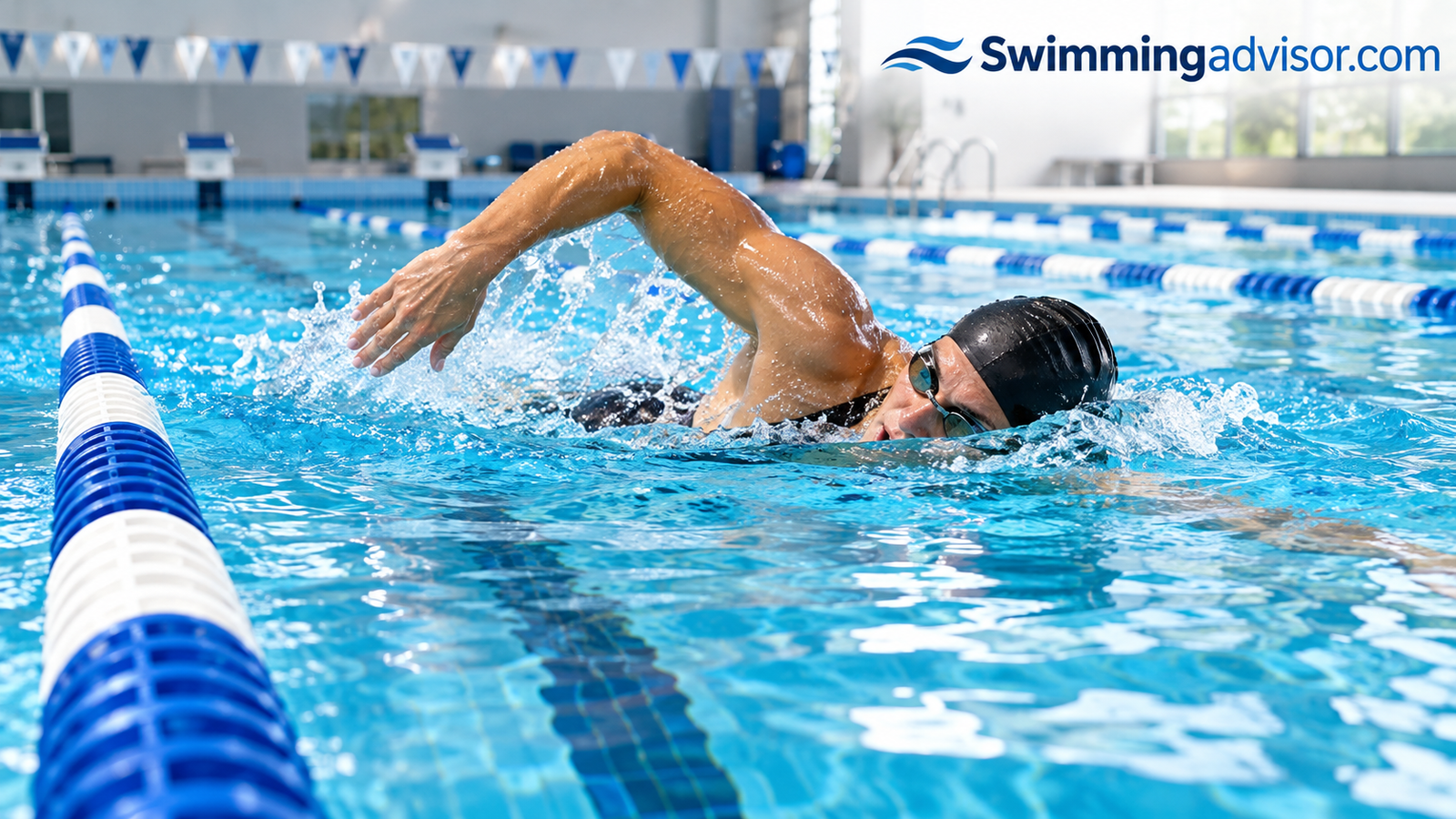
Is Swimming a Good Workout? What the Pool Really Does for Your Body
Short answer: yes, and for more people than almost any other form of exercise. Here is a clear, honest look at what swimming does well, where it falls short, and how to get the most from every lap.
The Short Answer: Yes, Swimming Is a Great Workout
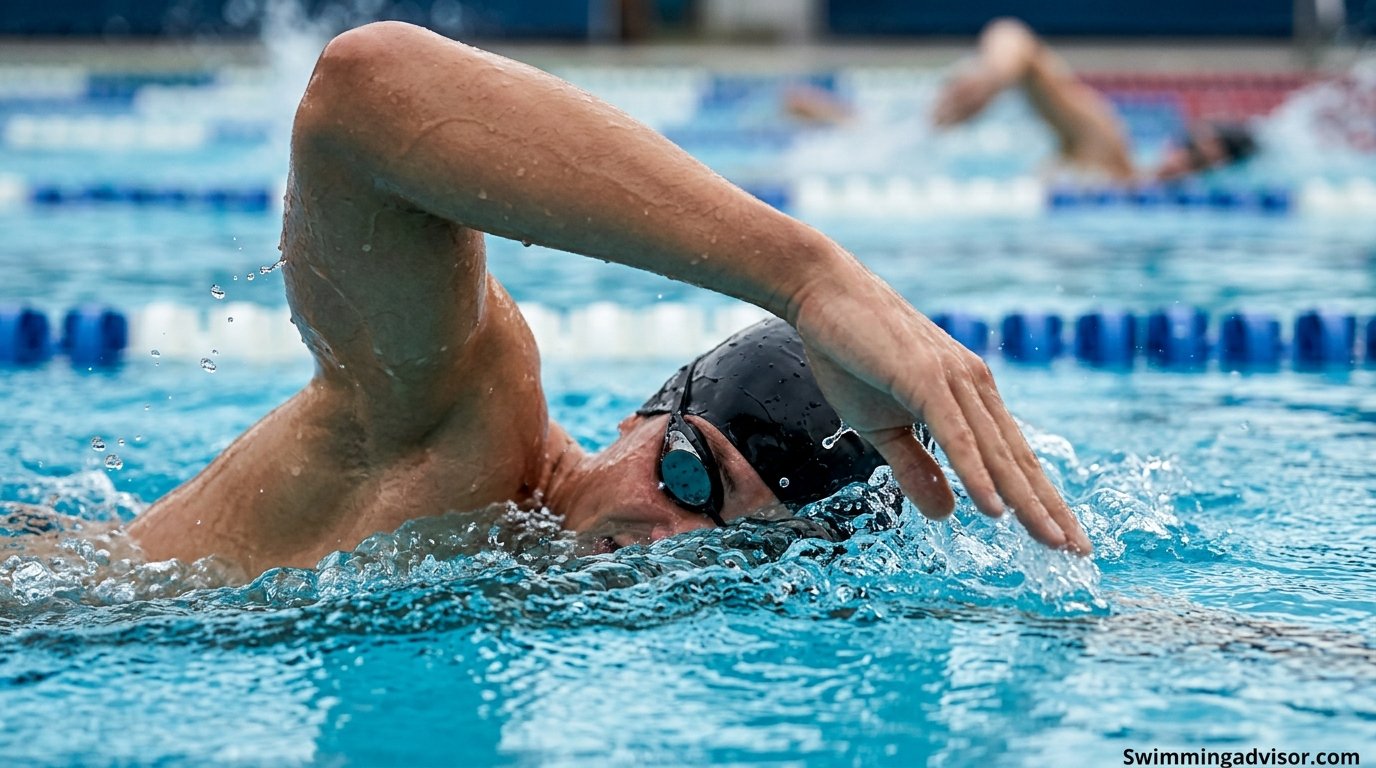
If you only want a one-line verdict, here it is: swimming is one of the most complete workouts you can do. It raises your heart rate, works muscles from your fingertips to your toes, stretches you through a wide range of motion, and does it all without the pounding that running or jumping puts on your joints. Few other activities tick that many boxes at once.
That said, “good” depends on what you want from exercise. If your goal is general fitness, a stronger heart, easier weight management, or a way to stay active through an injury or later in life, the pool is hard to beat. If your goal is to build bone density or lift heavy weights for maximum muscle size, swimming is a fine part of the picture but not the whole picture. We will get to both sides, because a useful answer should be honest about trade-offs.
Health guidelines from major public health bodies recommend around 150 minutes of moderate-intensity aerobic activity each week, or about 75 minutes of vigorous activity, plus muscle-strengthening work on two or more days. Swimming can cover the aerobic half of that equation on its own, and it contributes to the strengthening half too, because every pull and kick moves your body against a fluid that is roughly 800 times denser than air.
Quick takeaways: swimming trains the whole body, builds cardiovascular fitness, burns a meaningful number of calories, is gentle on joints, and often feels good enough that people actually keep doing it. That last point matters more than most people admit, because the best workout is the one you will repeat.
One more reason swimming earns its reputation is how adaptable it is. A gentle recovery session and a hard interval set can both be “a swim,” and you control the difference with speed, rest, stroke choice and equipment. Beginners can start with short lengths and rest at the wall. Experienced swimmers can build structured sessions with pace targets, paddles and pull buoys. If you are just getting going, our guide on how to increase swimming endurance is a good companion to this article.
Swimming Is a Full-Body Workout
Most land exercises favor one region of the body. Running leans on the legs, cycling the quads and glutes, rowing the back and arms. Swimming spreads the load across almost everything, and it does so because water forces you to move every part of your body to make progress.
What each part of your body is doing
- Shoulders and upper back: the latissimus dorsi, deltoids and rotator cuff power the pull and recovery of every arm stroke.
- Chest and arms: pectorals, triceps and forearms help you catch and press the water backward.
- Core: your abdominals, obliques and lower back work constantly to hold a long, streamlined body line and to rotate efficiently from hip to hip.
- Hips and glutes: the kick begins at the hips, so your glutes and hip flexors stay busy, especially in butterfly and breaststroke.
- Legs: quadriceps, hamstrings and calves drive the kick, and breaststroke adds a powerful inner-thigh squeeze.
Because the water supports your weight, your muscles are not just fighting gravity, they are fighting drag. Push harder and the water pushes back harder. That is why a slow lap can feel gentle and a fast lap can feel brutal, even though you are doing the same basic movement.
Why the core gets so much attention
Anyone who has tried to swim with a sagging midsection knows how quickly a weak core slows you down. Your trunk is the link between your arms and legs. When it is stable, your stroke transfers power forward. When it wobbles, energy leaks out sideways. Over weeks of regular swimming, that constant stabilizing work tends to make your midsection feel stronger and your posture feel more upright out of the water as well.
Different strokes, different emphasis
Freestyle and backstroke are the most balanced all-rounders and are easy to keep up for long continuous sets. Breaststroke is slower but pushes the legs and chest harder and lets you keep your head up. Butterfly is the most demanding, asking a lot from the shoulders, core and hips at once. Mixing strokes across a session spreads the effort around and reduces the chance of overloading one joint.
Pro tip: isolating one body region is easy in the pool. A kickboard removes the arms so the legs do the work, and hand paddles or a pull buoy do the opposite. If you are curious how those tools change a workout, read how to use a kickboard for swimming and what swim paddles do.
Cardiovascular Benefits: Heart and Lungs
Swimming is a true aerobic workout. Once you settle into a rhythm, your heart rate climbs, your breathing deepens and your body learns to deliver oxygen to working muscles more efficiently. Regular aerobic exercise of any kind is linked to lower resting heart rate, better blood pressure, improved cholesterol profiles and a lower risk of heart disease and type 2 diabetes. Swimming fits neatly into that category.
Breathing is part of the training
Swimmers breathe differently from runners or cyclists. You exhale into the water and inhale during a brief window, which trains you to control your breath and to tolerate a higher level of carbon dioxide. Many people find that, after a few months in the pool, they feel less winded on the stairs and have a steadier breathing pattern during other activities too. The water also presses on your chest slightly, which makes your breathing muscles work a little harder than they do on land.
A lower heart rate for the same effort
One quirk worth knowing: your maximum heart rate tends to be somewhat lower in the water than on land. The horizontal body position helps blood return to the heart, the water cools you, and the pressure of the water supports circulation. The practical result is that a swim can feel hard even when your heart rate monitor shows a number a little below what you would see on a run. If you track your workouts, use perceived effort as well as heart rate, and consider a device built for the pool. Our roundup of the best swimming watches explains how lap counting and pool-friendly heart rate tracking work.
How hard should you swim?
A simple talk test works well. At a moderate pace you can speak in short sentences between breaths at the wall. At a vigorous pace you can manage only a few words. Mix both across the week: longer steady swims build your aerobic base, and shorter intervals push your fitness ceiling higher. Beginners should favor steady, comfortable sets and let speed come later.
Good to know: if you have a heart condition, high blood pressure, asthma or another health concern, talk to a doctor before starting a new exercise routine. Swimming is generally well tolerated, but a quick check-in is sensible.
How Many Calories Does Swimming Burn?
Calorie burn is the question most people really want answered, and the honest response is “it depends.” Your body weight, skill level, stroke, speed, water temperature and how much you rest between lengths all change the number. Efficient swimmers who glide smoothly often burn less per minute than beginners who thrash, simply because they waste less energy. That is one of the few areas in fitness where getting better can lower your calorie burn at a given pace, so the trick is to raise your intensity as your technique improves.
The table below gives rough estimates for a person weighing about 155 pounds (70 kg) swimming continuously for one hour. Heavier swimmers will burn more, lighter swimmers a little less. Treat these as ballpark figures, not promises.
| Stroke and effort | Approx. calories per hour | Best for |
|---|---|---|
| Easy backstroke or relaxed breaststroke | About 400 to 500 | Recovery days, beginners, steady aerobic work |
| Moderate freestyle | About 500 to 650 | General fitness and endurance |
| Vigorous freestyle or fast breaststroke | About 650 to 800 | Interval training, calorie-focused sessions |
| Butterfly | About 800 or more | Advanced swimmers, short high-effort sets |
| Treading water or light water play | About 200 to 350 | Active recovery, casual pool days |
Why intensity beats duration
Swimming a slow mile and swimming a fast mile are very different workouts. Because the water fights back harder as you speed up, the extra effort adds up quickly. Interval training, where you swim hard for a short distance and rest briefly, is a popular way to lift the overall burn without spending hours in the pool. Your body also continues to use extra energy for a while after a hard session as it recovers.
Water temperature matters a little
Cooler water makes your body work to hold its temperature, which can nudge calorie use upward. It can also make you hungrier afterward, a point we will return to in the weight loss section. Warm water does the opposite: it feels gentle and relaxing but may shave a little off the effort. Neither is better or worse, only different.
Practical advice: do not chase a number. Use calorie estimates to compare sessions against each other, then focus on consistency. Two or three solid swims a week will do more for you than one heroic session followed by a week off.
Swimming vs Running, Cycling, Walking and Weights
People often ask whether swimming is “better” than another workout. The truth is that each has strengths. The right question is what you need most right now, and how likely you are to stick with it. Here is a side-by-side look at how swimming compares with other popular options.
| Workout | Cardio | Strength | Joint impact | Bone loading | Skill needed |
|---|---|---|---|---|---|
| Swimming | High | Moderate, upper body and core | Very low | Low | Moderate to high |
| Running | High | Low to moderate, legs | High | High | Low |
| Cycling | High | Moderate, legs | Low | Low | Low |
| Walking | Low to moderate | Low | Low | Moderate | Very low |
| Weight training | Low to moderate | High | Low to moderate | High | Moderate |
Swimming vs running
Running is simple, free and excellent for bone health, but it is hard on the knees, hips and feet, particularly for heavier runners or anyone returning from injury. Swimming delivers comparable cardiovascular benefits with far less wear and tear. The trade-off is skill: you need some technique to swim continuously, whereas most people can jog from day one. Many athletes use swimming as a low-impact complement to running, giving their legs a rest while keeping their fitness up.
Swimming vs cycling
Both are low impact and kind to the joints. Cycling is leg-dominant, while swimming distributes work across the whole body and adds core and upper-body conditioning. Cycling is usually easier to do for long periods if you enjoy being outdoors, and it gets you from place to place. Swimming needs a pool or open water, which is the main practical hurdle.
Swimming vs walking
Walking is the most accessible exercise on the planet and deserves respect. But it is gentle, and many people plateau because the intensity never climbs. Swimming naturally scales from easy to intense and engages the upper body in a way walking cannot.
Swimming vs weights
Strength training is the best tool for building maximum muscle and protecting bone density. Swimming builds muscular endurance and lean, functional strength but rarely matches the raw overload of a barbell. The two work very well together, and lots of people swim on off days from lifting for recovery and mobility.
The smart combination: swim two or three times a week for aerobic fitness and recovery, add two short strength sessions, and include some weight-bearing movement such as brisk walking. That mix covers nearly everything guidelines recommend.
A Joint-Friendly Workout for Almost Everyone
One of the biggest reasons swimming is so popular is how gentle it is on the body. Because water provides buoyancy, your body weight feels dramatically lighter. When you are immersed to about chest level, you bear only a fraction of your normal weight. That takes stress off the knees, hips, ankles and spine, and lets people exercise who might struggle on land.
Who benefits most
- People with stiff or sore joints: many people with arthritis find water exercise more comfortable than land workouts, and research generally supports water-based exercise as a helpful option for joint pain and stiffness.
- Older adults: swimming supports mobility, balance and cardiovascular health with a low risk of falls and impact injuries.
- Anyone returning from injury: with a clinician’s approval, the pool is a common place to rebuild fitness while protecting healing tissue.
- Pregnant swimmers: the support of the water is often welcome, though anyone who is pregnant should confirm their plan with their healthcare provider.
- Heavier beginners: buoyancy reduces the joint load that can make other forms of exercise uncomfortable at first. If flotation support helps you feel secure, see our guides to the best swim belt for adults and swim belts.
Flexibility comes built in
Swimming takes your shoulders, hips, spine and ankles through large ranges of motion. Reaching forward in freestyle, rotating through the torso and pointing your toes in a flutter kick all encourage mobility. Over time, many swimmers notice their shoulders and upper back feel looser, as long as their technique is sound and they build volume gradually.
Low impact does not mean no risk
Swimmer’s shoulder is the most common overuse complaint, usually from too much volume too quickly, poor technique, or heavy reliance on hand paddles. Breaststroke can irritate the knees in some people because of the whip-like kick. If something hurts, change your stroke, shorten the session and ask a qualified professional if the pain persists.
Safety note: swim where a lifeguard is present when possible, never swim alone in open water, and stay within your ability. Being comfortable in the water is part of making it a good workout. Your first goal is always to feel safe.
Does Swimming Build Strength and Muscle?
Swimming absolutely builds muscle, but it is worth being precise about what kind. Every stroke is a repeated push against resistance, which trains muscular endurance and develops a lean, toned look in the shoulders, back, arms and core. It is not the ideal tool for gaining large amounts of bulk, because the resistance is relatively light and spread across many repetitions. Think of it as strength that supports movement rather than strength that impresses on a barbell.
Progressive overload in the water
Muscle responds to challenge that increases over time. In the pool, you can raise the challenge in several ways:
- Swim faster over the same distance.
- Shorten your rest between sets.
- Add drag with hand paddles, a parachute or a swim belt resistance tool.
- Use fins to increase leg power and range of motion.
- Switch to harder strokes, like butterfly or sprint breaststroke.
Hand paddles deserve a special mention. They increase the surface area of your hand, so each pull moves more water, and that loads the lats, shoulders and forearms more. They also give useful feedback on your hand entry and catch. If you want to go deeper, read the benefits of hand paddles for swimming and our picks for the best swim paddles. Increase paddle use gradually, because jumping in too quickly is a fast route to sore shoulders.
Where swimming falls short for strength
Leg strength is one of the main gaps. The kick is important, but it does not load the legs like squats, lunges or deadlifts. Bone-strengthening force is also limited because water supports you. If maximum strength or bone density is your priority, add some land-based resistance training twice a week. You do not need a complicated routine: bodyweight squats, push-ups, rows and planks, plus some lifting if you enjoy it, will balance what the pool gives you.
Bottom line: swimming is excellent for lean muscle tone and endurance in the upper body and core, good for the legs, and best combined with some land-based strength work if your goals are bigger.
Swimming and Weight Loss: What to Expect
Swimming can absolutely support weight loss, but the pool has a reputation for being less effective than running for shedding pounds, and there is some truth behind it. Understanding why helps you plan around it.
Why some swimmers do not see the scale move
A few things tend to get in the way. First, swimming in cooler water can increase appetite, so it is easy to eat back more than you burned. Second, efficient swimmers burn fewer calories at a given pace than beginners. Third, many people swim at a comfortable, steady pace that never pushes the intensity high enough. None of this means swimming does not work. It means the routine needs a little structure.
Making the pool work for fat loss
- Use intervals: alternate hard lengths with easy ones. A set like eight 50s at a strong effort with 20 seconds of rest is far more demanding than steady lap swimming.
- Mix strokes: switching strokes uses different muscles and keeps effort up.
- Be consistent: three sessions a week beat one long one.
- Plan your post-swim food: have a balanced snack or meal ready so hunger does not lead to overeating.
- Add variety on land: walking, strength work and everyday movement all contribute to the bigger picture.
Weight change ultimately depends on overall energy balance, sleep, stress and diet, not on any single workout. Swimming is a helpful, sustainable piece of that system, particularly for people who find high-impact exercise uncomfortable. Because it is easy on the joints, you may be able to train more often, and that frequency is often what moves the needle.
Body composition matters more than the scale
Regular swimmers frequently notice their clothes fit differently before the number on the scale changes. Gaining lean muscle while losing fat can leave your weight steady even as your shape improves. Take measurements, photos or simply notice how your energy, posture and strength feel over a few months.
Note: if you are working with a health professional on weight or nutrition, follow their guidance and treat this article as general information, not personal medical advice.
Mood, Stress and Sleep: The Mental Side of Swimming
Ask regular swimmers why they keep going and many will not mention calories or muscle. They will talk about how they feel. Swimming has a calming, almost meditative quality that is hard to find elsewhere. The rhythm of the stroke, the sound of your own breathing, the feeling of the water around you and the absence of a phone all combine to quiet the mind.
Stress relief in a steady rhythm
Aerobic exercise is widely associated with reduced stress and improved mood, and swimming fits that pattern. Many people describe the pool as a reset button: you arrive tense and leave noticeably looser. Part of that may come from the rhythmic, repetitive movement and controlled breathing, which resemble some relaxation techniques.
Sleep support
People who exercise regularly often report falling asleep more easily and sleeping more deeply. Swimming, with its combination of physical effort and relaxation, is a popular choice for that reason. Try to finish hard sessions a few hours before bedtime if you find that vigorous exercise leaves you wired, and save gentler swims for the evening.
Confidence and a sense of progress
Swimming gives you clear, measurable goals. Swimming one more length, shaving seconds off a set or finally mastering a smooth tumble turn creates a satisfying feeling of progress. That sense of achievement tends to spill into the rest of life.
Social and family benefits
The pool can be social if you want it to be. Masters groups, aqua classes and family swim sessions turn exercise into time with other people. If you have children, bringing them along is a great way to combine parenting and fitness. Our guides to the best swim diapers and best floaties help the youngest swimmers join in safely.
A gentle reminder: exercise is a helpful tool for wellbeing, not a replacement for professional care. If you are struggling with persistent low mood, anxiety or sleep problems, speak to a healthcare professional.
The Drawbacks: What Swimming Does Not Do Well
A fair assessment has to include the downsides. Swimming is wonderful, but it is not perfect, and knowing the limits helps you build a smarter routine.
The upsides
- Full-body conditioning in one session
- Gentle on joints and forgiving after injury
- Scales from easy to very hard
- Builds lung capacity and breathing control
- Keeps you cool, so you rarely overheat
- Suitable across a huge range of ages
The downsides
- Needs access to a pool or safe open water
- Technique has a learning curve
- Limited bone-strengthening effect
- Can increase appetite for some people
- Chlorine, goggles and hair care add hassle
- Shoulder overuse if volume rises too fast
The technique barrier
Unlike walking, swimming takes a little skill before it becomes a good workout. If your form is poor, you will tire quickly and spend more effort staying afloat than moving forward. The good news is that technique improves with practice, and a few lessons or a coached session can shorten the learning curve considerably. Drills with a kickboard, a snorkel or paddles can accelerate progress.
Bone health
Because the water supports your weight, swimming does not load your bones like running, jumping or lifting. Competitive swimmers sometimes show lower bone density than athletes in weight-bearing sports. If bone health is a concern, add walking, stair climbing or resistance training alongside your swims.
Access and logistics
Pools can be crowded, schedules can be tight and travel to the pool takes time. A home option can help. Many families turn to inflatable setups for casual swimming and play, and our guides to the best inflatable swimming pools and best inflatable swimming pools for adults cover the options. An inflatable pool is not a lap pool, but it is a handy way to stay active on warm days.
Skin, hair and eyes
Chlorinated water can dry skin and hair and irritate eyes. A quick rinse before and after swimming, a good moisturizer and well-fitting goggles make a difference. If you notice persistent irritation, try a different pool or a different routine and consult a professional if needed.
Sample Swim Workouts for Every Level
Knowing swimming is a good workout is only half the story. Having a plan makes it stick. Below are three simple structures you can adapt. Distances are in pool lengths or meters, so adjust to your pool size. Always warm up gently and cool down at the end.
| Level | Warm-up | Main set | Cool-down |
|---|---|---|---|
| Beginner (about 20 to 25 minutes) | 4 easy lengths, any stroke | 6 x 1 length steady, rest 30 seconds at the wall, then 4 lengths with a kickboard | 2 easy lengths of backstroke |
| Intermediate (about 35 to 40 minutes) | 200 easy freestyle plus 100 mixed drills | 8 x 50 at moderate-hard effort with 20 seconds rest, then 4 x 100 steady with 20 seconds rest | 100 to 200 easy, any stroke |
| Advanced (about 50 to 60 minutes) | 400 mixed plus 4 x 50 build | 10 x 100 on a set interval, 6 x 50 sprint with paddles, 4 x 100 pull buoy | 200 easy choice |
A simple weekly rhythm
- Day one: a steady endurance swim to build your aerobic base.
- Day two: an interval session for speed and calorie burn.
- Day three: a technique-focused swim with drills, kickboard and pull work.
- Other days: rest, walk or do short strength sessions on land.
Progress gradually
A sensible rule is to increase your total weekly distance or time by no more than about 10 percent. Shoulders, in particular, adapt more slowly than your lungs do. Listening to your body is better than following a rigid plan.
Build endurance over time
Endurance comes from consistency, relaxed technique and smart pacing. Breathe rhythmically, lengthen your stroke and resist the urge to sprint every length. For a detailed roadmap, our guide to increasing swimming endurance goes further, and the best swimming kickboards are handy for leg-focused sets.
Try this: count your strokes per length. As your technique improves, the number should drop while your speed holds steady. That is one of the clearest signs of efficiency.
Gear That Makes Swimming a Better Workout
You do not need much to start swimming: a suit, goggles and a cap cover the basics. But the right extras can make your workouts more effective, more comfortable and more fun. Here is a practical tour of what is worth considering.
Watches and trackers
A pool-ready watch counts lengths, tracks pace and stroke type and records heart rate on many models. If you are shopping, start with our overview of the best swimming watches. On a tighter budget, the cheap swimming watch guide covers affordable picks. Runners and triathletes may like the best Garmin swimming watch roundup, and open-water swimmers should check the best open water swimming watch page. Popular premium models are covered in our Apple Watch Ultra 2 review and Garmin Fenix 8 review.
Training tools
- Kickboards: isolate the legs and improve kick technique.
- Pull buoys: lift the hips and let you focus on the arms.
- Hand paddles: add resistance and encourage a stronger catch.
- Fins: build ankle flexibility and leg strength while adding speed.
- Snorkels: remove breathing from the equation so you can refine your stroke. See the best swim snorkels.
Bags and everyday kit
A good bag keeps wet and dry items separate and helps you get out the door on time. Browse the best swim bags if yours has seen better days.
Casual water fun at home
Not every swim needs to be a lap set. Pool floats, inflatable pools and water play are great for family time and gentle movement. If you own inflatables, our guides on how to clean pool floats and how to store pool floats help them last longer, and best pool floats for heavy adults covers sturdier choices.
Shopping tip: buy in stages. Start with goggles that fit, then add one training tool at a time so you learn what actually helps you.
Frequently Asked Questions
Is swimming a good workout for beginners?
Yes. You can start with short lengths and rest at the wall whenever you need to. The water supports your body, so there is less strain than on land, and you can build up gradually as your stamina and technique improve.
Is swimming better than running?
Neither is universally better. Swimming is gentler on joints and trains the upper body and core more, while running is simpler to start and does more for bone loading. Many people use both.
How often should I swim to see results?
Two to three sessions per week of around 30 to 45 minutes is a practical target for most people. Consistency matters more than length, and results typically show up in stamina first, then in strength and body shape.
Does swimming help you lose belly fat?
You cannot choose where your body loses fat, but regular swimming combined with sensible eating can reduce overall body fat, including around the midsection. The constant core engagement may also make your abdominals feel firmer.
Which swimming stroke burns the most calories?
Butterfly is usually the most demanding, followed by fast freestyle and fast breaststroke. Backstroke and relaxed breaststroke burn less per minute, though they are easier to sustain for longer.
Is swimming good for people with arthritis or sore joints?
Many people with joint pain find swimming and water exercise comfortable because buoyancy reduces the load on joints. It is wise to check with a doctor or physical therapist before starting, and to choose strokes that feel pain-free.
Can swimming build muscle?
Yes, particularly muscular endurance and tone in the shoulders, back, arms and core. For maximum muscle size or leg strength, pair swimming with resistance training on land.
Is 30 minutes of swimming enough?
Thirty minutes of moderate swimming counts toward weekly activity guidelines and is a solid session for most people. Raise the intensity with intervals if you want a tougher workout in the same time.
Do I need lessons to get a good workout?
Lessons are not required, but a few coached sessions can make you more efficient and help prevent bad habits. Better technique means you can swim longer and harder with less fatigue.
Is swimming safe if I cannot swim well?
Stay in water where you can stand, use flotation aids if you need them and choose pools with lifeguards. Shallow-water walking and water aerobics are good options while you build skills.
What equipment do I need to start swimming for fitness?
A comfortable swimsuit, goggles that seal well and a swim cap are enough. Add a kickboard, pull buoy, paddles or a watch later as your routine develops.
Is swimming good for seniors?
Yes. The low-impact nature, support from the water and whole-body movement make swimming a popular option for older adults. As always, check with a doctor if you have health conditions.
Conclusion: So, Is Swimming a Good Workout?
Yes, and by a wide margin. Swimming trains your heart, lungs and nearly every major muscle group while treating your joints with care. It scales from gentle recovery to punishing intervals, suits almost every age and ability, and leaves many people feeling calmer and more energized afterward. Its weak points are real but manageable: it will not build bone like running or lifting, technique takes time, and appetite can creep up if you are not paying attention. Add a little land-based strength work, keep your sessions varied and progress gradually, and the pool can be the backbone of a long-lasting fitness routine.
The best next step is the simplest one: get in the water this week, swim a few relaxed lengths and see how it feels. Everything else, from a watch to a set of paddles, can follow later.
Pingback: How to Increase Swimming Endurance: 8-Week Plan
Pingback: Can I Go Swimming on My Period? Yes, Here's How
Pingback: Does Swimming Help You Lose Weight? What Works
Pingback: Does Swimming Build Muscle? What the Pool Really Does
Pingback: Does Swimming Make You Taller? Science Says No
Pingback: How to Waterproof a Tattoo for Swimming Safely