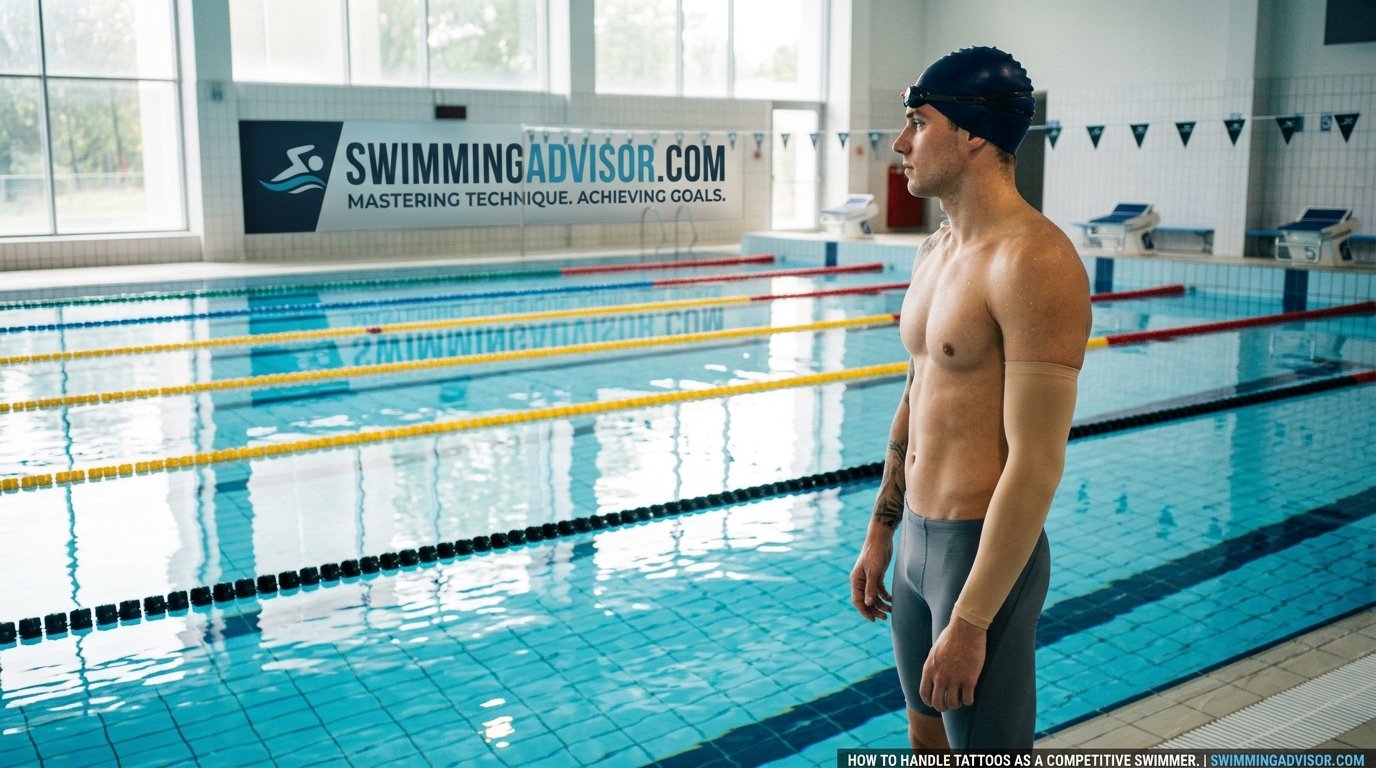
How to Waterproof a Tattoo for Swimming (Without Wrecking the Ink)
Pools, oceans, and lakes are tough on skin art. Here is exactly how to protect your tattoo in the water, what works, what doesn’t, and when the smartest move is to wait.
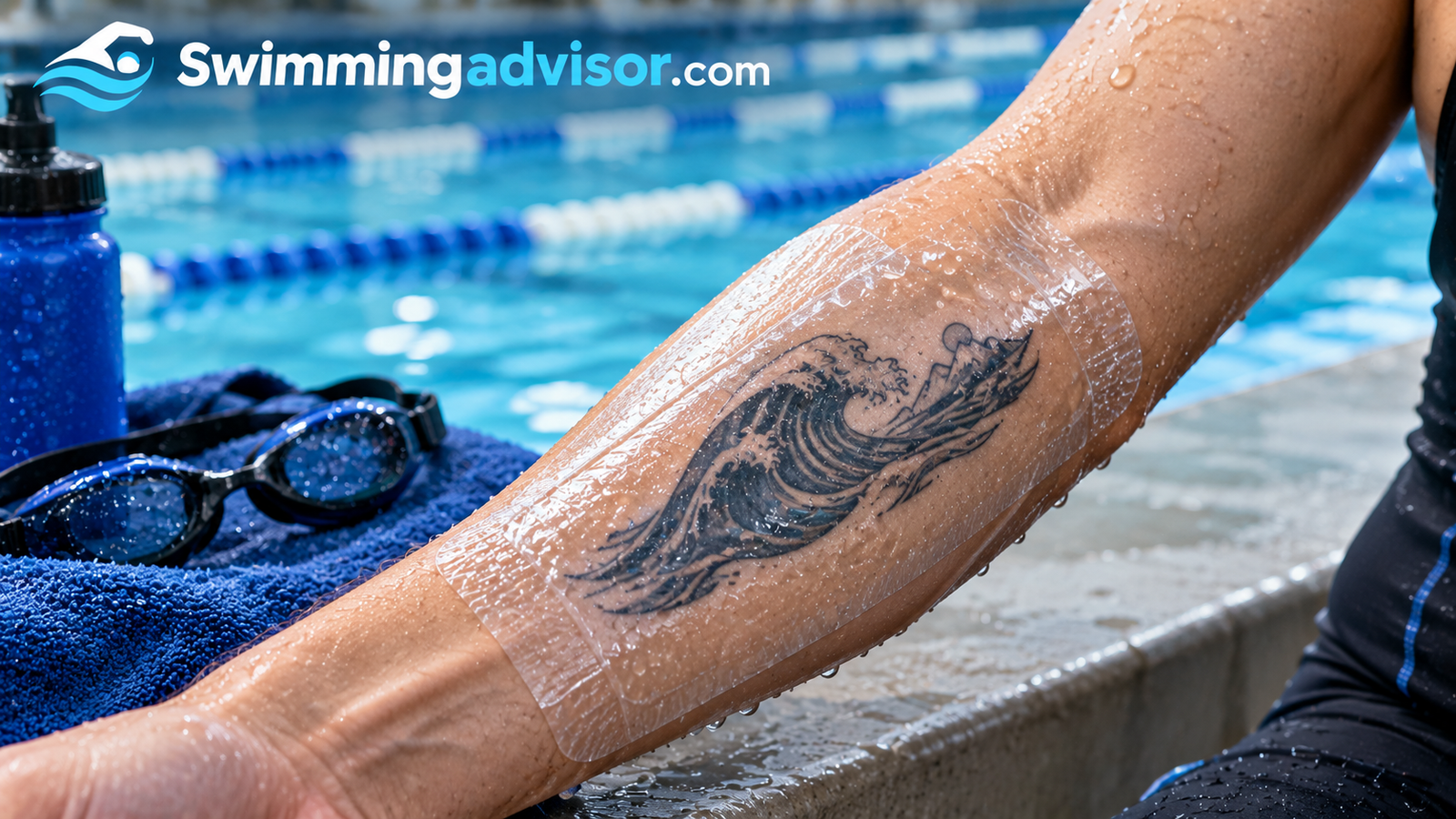
You finally got the piece you have been planning for months, and now a pool party, a beach trip, or your regular lap session is on the calendar. Suddenly a simple question gets complicated: how do you keep a tattoo safe in the water?
The honest answer is that it depends on how old the tattoo is, what kind of water you are heading into, and how long you plan to stay in. This guide walks through all of it in plain language, from the method that works for a healed piece to the careful approach for ink that is still settling, with visual steps you can follow right at the water’s edge.
1. Can You Really Waterproof a Tattoo for Swimming?
Yes and no, and the “no” part matters just as much as the “yes.” You can absolutely create a waterproof barrier over a tattoo using a medical-grade transparent film dressing, a large waterproof adhesive bandage, or (for healed ink) a water-resistant protective layer. These tools keep water, chlorine, and salt off the skin for a limited window of time. What nothing can do is make a tattoo permanently immune to water, and no product gives a flawless guarantee.
Think of waterproofing as a short-term shield, not a force field. A dressing that holds up beautifully through a twenty-minute dip may peel at the corners during an hour of splashing, sweating, and sun. Skin oils, movement, and body heat all work against adhesives. That is why the methods in this guide focus on careful preparation, correct placement, and sealed edges, because those three factors decide whether a cover holds or fails.
Who this guide is for
- Swimmers with a healed tattoo who want to protect color and lines from chlorine, salt, and sun during long sessions.
- Vacation-goers who got ink shortly before a planned trip and want to know their options.
- Regular lap swimmers who want a repeatable routine. If fitness is your goal, our breakdown of whether swimming is a good workout shows why the habit is worth protecting your ink for.
A brand-new tattoo is an open wound while it heals. Most tattoo artists advise staying out of pools, hot tubs, lakes, and the ocean entirely until the surface has healed. Always follow the aftercare instructions from your own artist first. Everything here is general guidance, and if you have any concerns about a tattoo that looks irritated, contact your artist or a healthcare professional.
Want a dependable cover before you head to the water?
2. Fresh vs Healed: Know Your Stage Before You Dive In
The single biggest factor in how you protect a tattoo is how far along the healing process it is. The plan for a two-year-old piece is completely different from the plan for one you got last week.
The stages of tattoo healing
Healing happens in overlapping phases. In the first several days, the skin is tender, may weep plasma, and is at its most vulnerable. Over the next couple of weeks, flaking and itching are common as the top layer renews itself. By roughly the three to four week mark, the surface usually looks closed and normal, although the deeper layers of skin continue settling for a few months. Individual timelines vary with tattoo size, placement, skin type, and how well aftercare was followed.
| Stage | What it looks like | Water guidance |
|---|---|---|
| Days 1-7 | Tender, possible oozing, bandage or wrap | Avoid all soaking and swimming. Showers only, as directed by your artist. |
| Weeks 2-3 | Flaking, peeling, itching | Still no pools or open water. Scabs and flakes can tear and introduce bacteria. |
| Weeks 3-4+ | Surface closed, slight shine or dryness | Many artists clear short swims only once fully surface-healed. Confirm with yours. |
| Months later | Fully settled, colors bright | Safe to swim. Barrier methods now protect color, not the healing process. |
Why “it looks healed” can be misleading
A tattoo can look calm and smooth on the surface while the skin underneath is still repairing itself. That is why artists often recommend a longer wait than impatient swimmers would like. If you are right on the border, a waterproof dressing reduces risk for a brief dip, but it does not turn an unhealed tattoo into a healed one. When in doubt, wait a few extra days or ask your artist for a green light.
Is there any flaking, scabbing, raised texture, tenderness, or shiny tight skin? If yes, it is not ready for water. If the skin looks and feels like the skin around it, you are likely in the clear to use the healed-tattoo method below.
Keep your skin happy before and after swim day.
3. What Pool Chlorine, Salt, and Lake Water Do to Ink
Water is not just water. Each environment brings its own challenges for tattooed skin, and understanding them helps you decide how seriously to protect your piece.
Chlorinated pools
Chlorine is a disinfectant, and it is hard on skin. It strips natural oils, which leaves skin dry and tight. On a healed tattoo, repeated exposure can contribute to dullness over time, especially on lighter colors and fine linework. On a healing tattoo, chlorine can irritate tender skin and the combination of chemicals and open skin is something you really do not want. If you are curious about what makes pool water tick, our article on the chemicals needed for inflatable swimming pools explains how sanitizers and balancers work.
Saltwater and the ocean
Seawater is full of salt, sand, and microorganisms. Salt can dry out skin and, on a healing tattoo, sting. Sand is abrasive and can rub against a sealed dressing, loosening its edges. Open ocean water also carries bacteria that are simply not welcome near freshly tattooed skin.
Lakes, rivers, and ponds
Natural freshwater holds bacteria, algae, and organic material. For healed tattoos this is mostly a cleanliness matter, so a good rinse afterward is smart. For healing tattoos, it is among the riskiest environments of all.
Sun exposure: the silent ink-fader
Swimming usually means sun, and ultraviolet light is one of the biggest long-term causes of tattoo fading. Water reflects and intensifies exposure, and sweat plus splashing wash off ordinary sunscreen quickly. A strategy that covers water and sun gives your tattoo the best shot at staying crisp for years.
- Chlorine: drying, can dull color over time
- Salt: drying, stings healing skin
- Sand: abrasive, loosens dressings
- Sun: main cause of long-term fading
Why color and linework react differently
Tattoo pigment sits in the dermis, below the surface layer that sheds and renews. That is why a healed tattoo survives showers and swimming at all. Still, surface dryness makes skin look dull, and dull skin makes crisp ink look softer than it really is. Fine lines, white highlights, and pastel shades tend to show sun and chemical wear first, while dense black and saturated colors hold up longer. If your piece leans on delicate detail, the extra steps in this guide are worth the effort.
Shield your ink from UV as well as water.
4. Waterproofing Options Compared
There is no single best method for every situation. Here is how the most common approaches stack up so you can match the tool to the moment.
| Method | Best for | Hold time | Breathable? | Skill level |
|---|---|---|---|---|
| Transparent film dressing (medical style) | Short swims, artist-approved situations | Short to moderate | Yes (semi-permeable) | Easy |
| Large waterproof adhesive bandage | Small tattoos, quick dips | Short | Varies | Easy |
| Waterproof tattoo cover patch | Sport and travel | Moderate | Varies | Easy |
| Water-resistant sunscreen and barrier layer | Healed tattoos only | Reapply often | Yes | Easiest |
| Swim sleeve or rash guard | Sun and sand protection on healed ink | All day | Yes | Easiest |
Pros and cons at a glance
Film dressings: pros
- Clear, so your tattoo stays visible
- Flexible and moves with skin
- Designed to block water while letting skin breathe
- Widely available
Film dressings: cons
- Edges can peel with sweat, oil, or sand
- Awkward on curved joints
- Not meant for hours of continuous swimming
- Removal can tug on sensitive skin
For most people with a fully healed tattoo, the smartest combination is simple: water-resistant sunscreen, a rinse afterward, and moisturizer later. Adhesive barriers shine when you need extra insurance, such as a tattoo that is newly healed, or on days with intense chemical exposure. If you want a sun-and-sand shield without adhesive at all, a long-sleeve swim top handles that job well.
Pick up a breathable clear barrier in the right size.
5. Supplies Checklist: What to Pack Before Swim Day
A little prep makes the difference between a cover that lasts and one that slides off the moment you get wet. Here is what to gather.
Core supplies
- Transparent film dressing larger than your tattoo
- Mild fragrance-free soap for cleaning skin
- Clean lint-free towel or sterile gauze
- Small clean scissors for trimming
- Water-resistant sunscreen for healed ink
- Fragrance-free moisturizer for after
Sizing your cover correctly
Whatever you choose, it should extend at least an inch (about 2.5 cm) past every edge of the tattoo. That border gives the adhesive room to grip clean, dry skin. Covers that are too snug end up with edges lifting right where they matter most.
Swim-day bag essentials
Stash spare dressings and a small towel in a dry compartment so you can replace a cover if it peels. A dedicated bag helps enormously, and our guide to the best swim bags covers wet-and-dry compartments that keep supplies separated and clean. A microfiber towel that is used only for patting your tattoo dry keeps things hygienic.
Do a patch test on a small area of skin days ahead if you have never used a medical-style adhesive. Some people react to adhesives, and you do not want to discover that at the pool.
Packing light for travel days
On vacation you rarely have room for a full kit, so build a compact version: two or three pre-cut dressings in a zip pouch, a travel-size fragrance-free moisturizer, one water-resistant sunscreen, and a small folded towel. Pre-cutting dressings at home saves time at the pool deck, and labeling the pouch keeps the supplies from mixing with snacks and sunblock that might leave residue on the adhesive. Keep the pouch in the shade, because heat can make adhesive gummy before you ever peel the liner.
Keep your backup supplies dry and organized.
6. Method A: How to Waterproof a Healed Tattoo With a Film Dressing
This is the go-to technique when you want a real physical barrier over a tattoo that has fully healed, such as before a long pool session, a boat day, or a beach afternoon with splashing kids. It takes about five minutes and costs very little. Follow each step in order, because skipping the prep is the number one reason dressings fail.
Only use this method on a tattoo your artist says is healed. Sealing a still-healing tattoo under a dressing in pool or open water can trap moisture and bacteria against vulnerable skin. If you are unsure, skip the swim or check in with your artist first.
1 Clean and completely dry the skin
Wash the area with mild, fragrance-free soap and lukewarm water, then pat it fully dry with a clean towel. Adhesive will not grip damp, oily, or lotioned skin, so skip moisturizer, sunscreen, and oils on the spot where the dressing will sit. Wait a minute or two after drying to make sure no moisture remains in the creases.
2 Measure and trim the dressing
Hold the dressing next to the tattoo and pick a size that extends at least an inch (about 2.5 cm) beyond every edge. Round the corners with scissors, because sharp corners catch on towels and swimwear and peel first. Keep the backing liner on while you cut so the adhesive stays clean.
3 Peel back the liner carefully
Remove the paper backing gradually, touching only the edges or the handle tab and never the adhesive side. Skin oils on the adhesive reduce its hold dramatically. If your dressing has a frame-style backing, leave the outer frame on until the film is placed.
4 Position it over the tattoo without stretching
Lower the dressing onto the skin with the tattoo centered, and let it settle naturally. Do not pull the film tight as you place it. Stretched film tries to spring back and lifts at the edges once you start moving. If the tattoo sits over a joint, position the joint in a relaxed, slightly bent stance.
5 Smooth from the center outward and seal the edges
Starting in the middle, press the film flat with your fingertips and work outward to push out air bubbles. Then run a finger firmly around the entire perimeter, holding for several seconds. Body warmth helps the adhesive bond, so give it a few minutes before getting wet. Fold and press the edges down over curved areas instead of letting them bunch.
6 Give it a quick check and know your limits
Before you enter the water, scan the edges. Every side should be flat and sealed with no wrinkles or channels where water can creep in. Plan to keep your swim reasonably short, and get out to re-check the dressing periodically. When you are done, remove it slowly by stretching the film parallel to the skin rather than yanking upward, which is gentler on both skin and ink. If it leaked at any point, treat the tattoo as exposed and follow the aftercare steps later in this guide.
Troubleshooting: what if the dressing will not stick?
If edges lift within minutes, the cause is almost always one of four things. First, the skin was not truly dry, so give it a full minute of air time next attempt. Second, there was oil or lotion underneath, which a quick wipe with mild soap removes. Third, body hair is preventing contact, and in that case a larger dressing or a different placement may help rather than shaving over a tattoo. Fourth, the dressing was stretched during placement and is pulling itself loose. Start over with a fresh piece instead of patching a failed one, because adhesive that has already lifted rarely grips well a second time.
That depends on your skin, the location, and how active you are. Think in terms of short dips and casual time in the water rather than continuous laps. For regular lap swimmers, the no-adhesive routine in the next section is usually a better daily habit.
Grab a roll or multipack so you always have a spare.
7. Method B: The No-Adhesive Routine for Healed Tattoos
Not everyone wants to stick a film to their arm every time they swim, and for a fully healed tattoo you usually do not need to. A few simple layers of protection handle chlorine, salt, and sun far more comfortably, and they are much easier to repeat if you swim several times a week.
1 Moisturize well ahead of time
Hydrated skin handles chlorine better than dry skin. Apply a fragrance-free moisturizer a few hours before swimming and let it absorb fully. Do not apply a heavy layer right before sunscreen, since excess oil can make sunscreen slide off.
2 Apply water-resistant sunscreen generously
About twenty to thirty minutes before you get in, apply a broad-spectrum, water-resistant sunscreen over the whole tattoo and the surrounding skin. Rub it in well and cover the edges. Stick with products labeled for sport or water resistance, and keep in mind that water-resistant does not mean waterproof.
3 Add a physical cover if the sun is intense
A long-sleeve swim top, rash guard, or UV sleeve blocks sun and sand without any adhesive. This is especially useful for sleeve tattoos, shoulders, and calves on all-day beach trips. Loose, breathable swim fabric is gentler on skin than tight, rubbing materials.
4 Reapply after towel-drying and on a timer
Sunscreen wears off with water, sweat, and towels. Set a reminder on your phone and reapply after every towel-off and at regular intervals as directed on the bottle. A waterproof watch or phone timer in a waterproof pouch makes this easy. If you use a fitness watch for laps, check out our picks for the best swimming watches and the best Garmin swimming watches for models with built-in timers and alerts.
When to choose Method A vs Method B
| Situation | Better pick |
|---|---|
| Daily or weekly lap swimming | Method B (sunscreen, rinse, moisturize) |
| One-off splash day with kids | Method A (film dressing) or Method B |
| Long hours in direct sun | Method B plus a UV sleeve |
| Newly healed, slightly sensitive skin | Ask your artist, consider waiting |
Get adhesive-free sun and sand protection.
8. Waterproofing Tricky Body Areas
A tattoo on a flat forearm is easy. A tattoo on a rib, ankle, or shoulder blade is a different story, because movement, curves, and friction are constantly trying to lift the cover. Here is how to handle the hardest spots.
| Area | Challenge | Smart approach |
|---|---|---|
| Forearm / upper arm | Moderate movement | Film dressing or UV sleeve |
| Hands and fingers | Constant washing and flexing | Hard to seal, so rely on sunscreen and rinsing |
| Ribs and torso | Breathing, bending, swimwear rub | Larger film with folded edges, or rash guard |
| Shoulder and back | Hard to reach, strap friction | Ask a friend to apply, use a rash guard |
| Ankles and feet | Sand, constant bending | Sunscreen and thorough rinsing, no adhesive |
| Neck and behind ear | Hair, goggles, sweat | Sunscreen stick, hair up or hat |
Joints and curved spots
Bend the joint slightly before you apply a film dressing so that the film has slack when you straighten it. Cut a few small relief notches along the edge of a bigger dressing so it can fold around the curve without wrinkling. Wrinkles become tiny water channels.
Friction from gear
Hand paddles, straps, and kickboard contact can rub against a dressing or chafe freshly healed skin. If you have a tattoo on the hands or forearms and use training equipment, it helps to understand the gear. Our guide to what swim paddles do and our roundup of the best swim paddles explain fit and strap placement, which matters if a strap will rub across your ink. For leg and ankle tattoos, kickboard technique and positioning are covered in how to use a kickboard for swimming and the best swimming kickboards.
Getting help applying it
For the back, shoulders, and other hard-to-reach locations, ask someone to help. Have them wash their hands first, handle the dressing by the edges, and smooth it out from the center. A second pair of hands makes a huge difference in how well the edges seal.
Find sizes that handle curves and joints.
9. Pool vs Ocean vs Lake: Adjusting Your Plan to the Water
The same tattoo faces different challenges depending on where you swim. Adjust your approach to match the environment.
Chlorinated pools
The main issues are drying and dulling. Rinse off briefly before entering, since already-wet skin absorbs less chlorinated water. Apply protection, swim, then rinse with fresh water soon after. Indoor pools can have stronger chemical smells, which means more chemical load on skin and eyes, so keep your rinse routine consistent.
Backyard and inflatable pools
Home pools make it easier to control the environment, but water quality still matters. Well-maintained water is easier on skin. If you own one, see our list of the best inflatable swimming pools and learn how to keep algae out of inflatable swimming pools, because cloudy or neglected water is not what you want near a tattoo.
Ocean and beach
Salt, sand, and wave action are a rough combination. Sand gets under loose dressing edges and scrapes at skin, so avoid rolling around in the shoreline. Rinse with clean fresh water soon after leaving the water, and keep a spare dressing on hand.
Lakes and open water
Open-water swimmers spend long periods in the water, and that puts stress on any adhesive. If you are training for open-water events, a sun-and-sleeve strategy makes more sense than relying on adhesive covers for hours. A reliable tracker also helps you manage timing and conditions, and our guide to the best open water swimming watch picks will help you choose one.
| Water type | Main concern | Best strategy |
|---|---|---|
| Chlorine pool | Dryness, fading | Rinse before and after, moisturize |
| Ocean | Salt, sand, bacteria | Keep it short, rinse thoroughly |
| Lake / river | Bacteria, organic matter | Only healed ink, rinse and clean after |
| Backyard pool | Water quality varies | Keep water clean, standard routine |
Timing your swim around sun and heat
Wherever you swim, timing matters. Midday sun is at its most intense and heat makes adhesives soften and sweat more. Early morning and late afternoon sessions are kinder to tattoos, to dressings, and to skin in general. If you must swim at midday, lean on shade breaks, a UV sleeve, and more frequent sunscreen reapplication. Cooler water also makes film dressings last longer than hot shallow water that is warmed by the sun.
A quick freshwater rinse helps in every environment.
10. Aftercare: What to Do the Moment You Get Out
How you treat your tattoo in the half hour after swimming matters almost as much as the barrier itself. A good routine takes two minutes and adds up to long-term color retention.
A simple post-swim routine
- Remove any dressing gently. Peel slowly, parallel to the skin, and stop if skin tugs painfully.
- Rinse with fresh, clean water. This clears chlorine, salt, and sweat.
- Wash with mild soap if needed. Use a fragrance-free cleanser, not harsh scrubs.
- Pat dry with a clean towel. Never rub.
- Moisturize lightly. A fragrance-free lotion restores what the water took.
- Check the tattoo. Look for redness, swelling, or anything unusual.
Signs that warrant a call to your artist or a professional
If the skin becomes unusually red, swollen, warm, painful, or starts draining, or if you develop a fever, get advice from a healthcare professional promptly. Do not wait and hope it resolves on its own. A tattoo that is reacting is not something to troubleshoot with online guides.
Build the habit around your swim routine
Regular swimmers benefit from a consistent routine: shower, protect, swim, rinse, moisturize. The routine becomes automatic and protects ink over years of swimming. Improving your stroke also makes sessions more efficient, which reduces time in the water. Our article on how to improve swimming technique is a good companion read.
A sample weekly routine for regular swimmers
If you swim three or four times a week, keep things predictable. Before each session, shower briefly and apply water-resistant sunscreen over healed ink. After each session, rinse, wash gently if needed, pat dry, and moisturize. Once a week, take a close look at the tattoo in good light, noting any change in texture or color. Catching dryness early lets you add more moisturizer before it becomes dullness, and it helps you notice if a particular pool or product does not agree with your skin. Consistency beats intensity here, because a simple routine you actually follow outperforms an elaborate one you skip.
Gentle is the word of the day. Fragrance-free products, soft towels, and no harsh exfoliating right after water exposure are all you need.
Stock your post-swim routine with skin-friendly basics.
11. Common Mistakes That Ruin Tattoos (and Dressings) in the Water
Most swim-related tattoo problems come from a short list of avoidable errors. Steer clear of these and you are already ahead.
Don’ts
- Swimming before the tattoo is healed
- Applying dressing over damp, oily, or lotioned skin
- Stretching the film tight when placing it
- Using a dressing that is too small
- Skipping sunscreen on healed ink
- Picking at flakes or scabs
Do’s
- Follow your artist’s healing timeline
- Prep skin clean and completely dry
- Leave an inch of margin around the tattoo
- Seal edges firmly and wait a few minutes
- Rinse and moisturize afterward
- Carry a spare dressing
Trusting “waterproof” claims too much
Marketing language promises a lot. Real-world conditions involve sweat, sunscreen, oils, movement, and time, all of which shorten adhesive life. Treat any claim as a best case, and always check your cover after getting out for a break.
Ignoring hot tubs and saunas
Hot tubs deserve a special mention. Warm water and heavy chemical loads are harder on both healing and healed ink, and adhesives loosen quickly in heat. Keep sessions short and follow the rinse routine, and skip them completely while a tattoo is healing.
Forgetting the long game
It is tempting to treat swimming protection as only important during the healing phase. In reality, consistent sun protection and gentle care are what keep a tattoo vibrant for decades. A few seconds of effort per swim add up dramatically over years. Since swimming is such a healthy habit, see the benefits of swimming as a workout and consider your protection routine part of your training kit.
Stick formats make it easy to cover tattoo edges.
12. Swim Gear for Tattooed Swimmers: What Plays Nice With Your Ink
Your gear choices can help or hurt a tattoo. Friction, tight straps, and rough fabric can irritate skin and loosen covers, so it pays to choose thoughtfully.
Watches and wearables
Watch straps sit right on the wrist and forearm, a common tattoo spot. A tight strap can rub a fresh or healed tattoo, and moisture trapped under a band is not great for skin. Wear the watch slightly loose during swims or switch wrists if needed. If you are shopping, our reviews of the Apple Watch Ultra 2 and the Garmin Fenix 8 cover strap options and comfort.
Goggles, snorkels, and straps
Anything that presses on the skin for long periods can be uncomfortable over a tattoo on the face, neck, or head. If you snorkel, check out our guide to the best swim snorkels for comfortable, low-pressure fits.
Floats and pool toys
Inflatable floats can stick to skin and rub when wet, especially with sunscreen on. Clean floats are gentler and more hygienic, so learn how to clean pool floats and keep them fresh. If you are choosing new ones, the best pool floats for heavy adults list covers sturdy, comfortable picks.
Swimwear fabric
Choose smooth, flexible swimwear that does not chafe. Seams and rough trim over a tattoo can rub through dressings and irritate skin. A quality rash guard doubles as sun protection and a friction buffer.
- Loose-fit straps to avoid rubbing
- Smooth swimwear with flat seams
- Clean floats free of residue
- UV-rated sleeves for long days
Choosing quality over quantity
You do not need a bag full of gadgets. A well-fitting rash guard, a dependable sunscreen, and a roll of quality film dressing cover nearly every scenario in this guide. Spend your budget on the items that touch your skin most often, and read fit and material details carefully before buying. Comfortable gear also means you will actually wear it, and that is what protects your tattoo in the long run.
Protect ink and skin with gear built for the water.
Frequently Asked Questions About Waterproofing a Tattoo for Swimming
Can you swim with a new tattoo if you cover it?
Most tattoo artists advise against swimming with a new tattoo even if it is covered. A dressing may fail, and a healing tattoo is an open wound. Wait until your artist confirms the surface has healed. A cover is not a substitute for healing time.
How long should I wait to swim after getting a tattoo?
Many artists recommend roughly three to four weeks, or until the tattoo is completely healed with no scabs, flaking, or tenderness. Timelines vary by size, location, and individual skin, so follow the advice of your own artist.
What is the best way to waterproof a tattoo for swimming?
For a healed tattoo, a mix of water-resistant sunscreen, a good rinse afterward, and moisturizer works for most people. For extra protection on short swims, a transparent film dressing sealed on clean, dry skin gives a physical barrier.
Does chlorine fade tattoos?
Chlorine dries skin, and repeated exposure combined with sun can contribute to dullness over time, particularly for fine lines and lighter colors. Consistent rinsing, moisturizing, and sun protection help reduce the effects.
Does saltwater hurt a healed tattoo?
A fully healed tattoo generally tolerates saltwater, though it can be drying. Rinse with fresh water afterward and moisturize. Saltwater is a bigger problem for tattoos that are still healing.
Are waterproof bandages good enough for a tattoo?
They can work for small tattoos and short dips, provided the skin is clean and dry and the edges are sealed. Choose a bandage larger than the tattoo with a flexible backing, and check it after you get out for a break.
Can I put sunscreen on a healing tattoo?
Most artists advise keeping a healing tattoo out of direct sun and waiting until it is healed before applying sunscreen. Follow your artist’s instructions, and cover the area with loose clothing in the meantime.
How long does a waterproof dressing last in the water?
It varies. Skin oils, sweat, movement, and sun all shorten adhesion. Expect it to be best for short swims and casual splashing rather than hours of continuous swimming, and check it regularly.
How do I remove a film dressing without hurting my tattoo?
Start at one corner and slowly stretch the film parallel to the skin rather than pulling it straight up. Support the skin with your other hand. If it sticks stubbornly, a little water or a gentle oil can help loosen the adhesive.
Is it safe to use a hot tub with a tattoo?
Not while the tattoo is healing. Even with a healed tattoo, heat and chemicals can be drying, and adhesives loosen quickly in warm water. Keep sessions short and rinse afterward.
What should I do if my tattoo gets wet before it is healed?
Gently rinse with clean water and mild soap, pat dry with a clean towel, and follow your artist’s aftercare. Watch for redness, swelling, or drainage, and contact your artist or a healthcare professional if anything seems off.
Can swimming ruin my tattoo for good?
Swimming at the wrong time can cause infection or damage to a healing tattoo, which may affect the final result. Once it is fully healed, regular swimming is fine as long as you look after your skin and use sun protection.
Conclusion: Protect Your Ink and Enjoy the Water
Waterproofing a tattoo for swimming comes down to a handful of principles: make sure the tattoo is healed, prepare the skin properly, pick the method that matches your swim, and follow up with a gentle routine. A clean, dry surface and a sealed film can carry you through short dips, while a consistent sunscreen, rinse, and moisturize habit keeps healed ink looking sharp over the long term.
Most of all, be patient with a new tattoo. A few extra days on dry land is a tiny price to pay for art that lasts. Once it is healed, you have all the tools you need to swim with confidence.
Ready to Swim With Confidence?
Stock up on the essentials, from film dressings to water-resistant sunscreen, and head for the water knowing your ink is covered.
Shop Tattoo Swim Protection on AmazonYou May Also Like
Keep exploring our swimming guides and gear reviews.