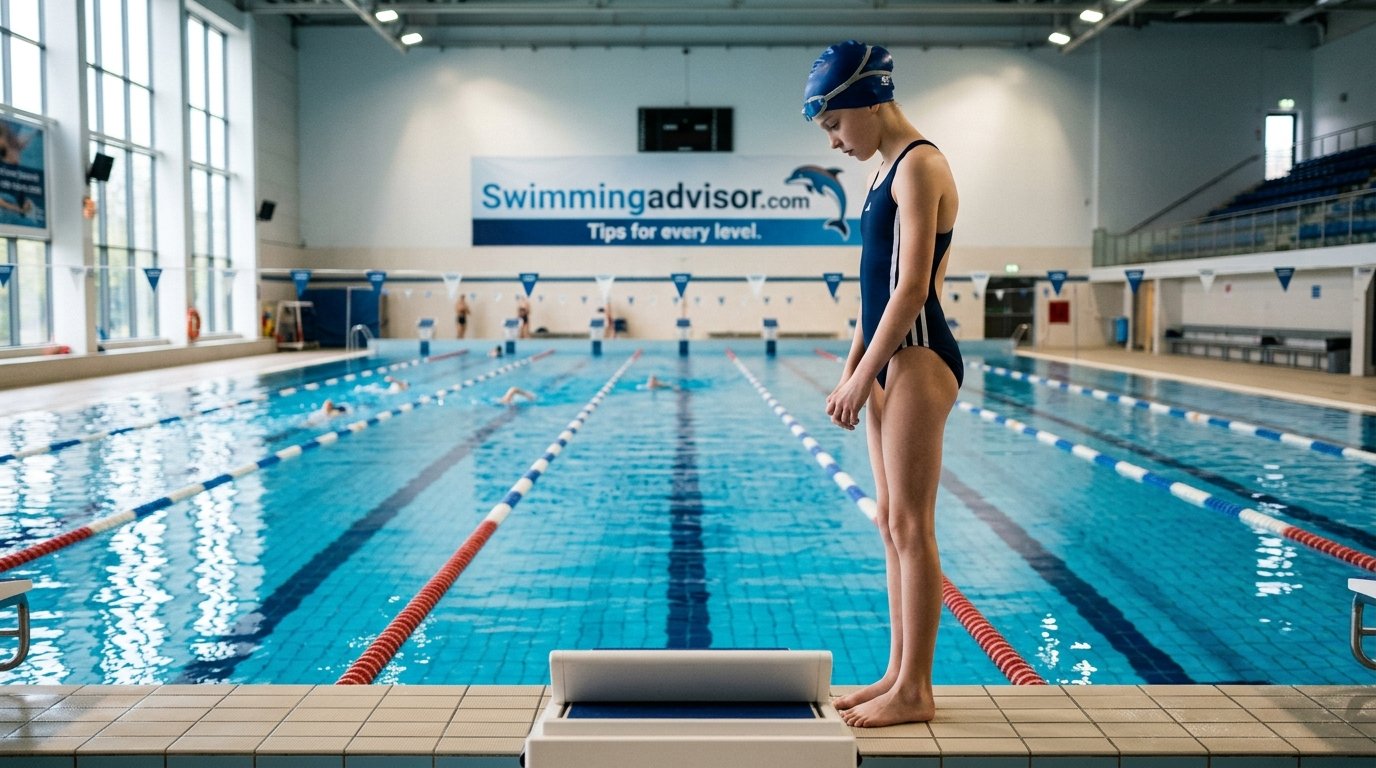
Does Swimming Make You Taller? What Science Really Says
You have probably heard that swimmers grow tall because the water stretches them out. Here is what is true, what is myth, and what actually helps you reach your full height potential.
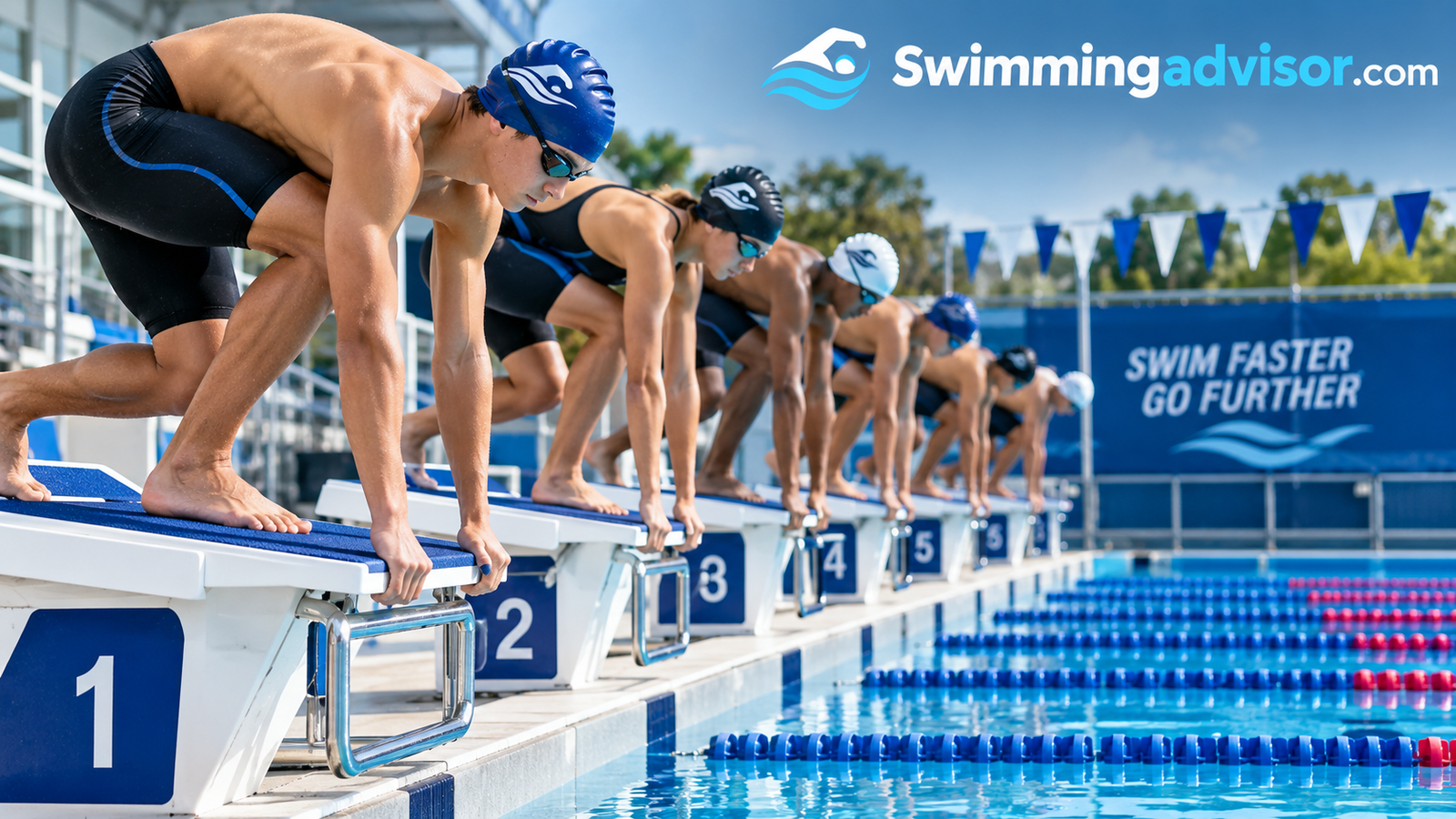
Few questions come up more often in swim clubs, school locker rooms, and parent group chats than this one: does swimming make you taller? It sounds believable. Swimmers are long, lean, and often towering. Pool walls, streamlined glides, and hours of stretching through the water seem like the perfect recipe for extra inches. Yet the honest answer is more interesting than a simple yes or no.
In this guide we will walk through how height really works, why so many elite swimmers happen to be tall, what swimming genuinely does for your posture, spine, and bones, and which habits actually help a growing body reach its full potential. Whether you are a teenager hoping for another few centimeters, a parent wondering about your child’s swim lessons, or an adult who is simply curious, you will leave with a clear, evidence-based picture.
1. The Short Answer: Swimming Does Not Directly Make You Taller
Quick answer: No, swimming does not add height beyond what your genes and growth stage allow. What swimming can do is support the things that help you reach your natural height: healthy posture, good sleep, an active lifestyle, and a strong core. It cannot lengthen your bones once your growth plates have closed, and it cannot push a child past their genetic ceiling.
Height is mostly written into your DNA. Researchers who study twins and families estimate that genetics account for the large majority of the differences in adult height between people. The rest comes from environment: nutrition, sleep, overall health, and freedom from serious illness during childhood. No single sport rewrites that script, and swimming is no exception.
That said, “does not make you taller” is not the same as “is bad for growth.” Swimming is one of the safest, most joint-friendly activities a growing body can do. It builds a balanced physique, encourages an upright carriage on land, and helps kids sleep deeply. All of those things help a young person grow up healthy and stand as tall as their genes allow. If you want to understand why swimming is such a valuable habit in general, our breakdown of whether swimming is a good workout covers the full-body benefits.
What this article will and will not promise
We will not promise inches. Anyone who does is selling something. What we will do is separate the truth from the folklore so you can make good choices and avoid wasting money on gimmicks.
Starting a swim routine? Browse top-rated swim gear for every level.
Shop Swim Essentials on Amazon2. What Actually Decides Your Height
To judge any claim about growing taller, you first need to know what controls growth. Height is the result of long bones, mainly in the legs and spine, getting longer during childhood and adolescence. The pace and final result are shaped by several layers of influence.
Genetics: the biggest factor
Your parents’ heights are the best simple predictor of your own. Doctors often use a “mid-parental height” estimate, which averages both parents’ heights and adjusts for sex, to predict a child’s likely adult range. Hundreds of genes contribute in small ways, which is why siblings can differ in height and why children sometimes end up taller or shorter than both parents.
Hormones: the growth engines
Growth hormone from the pituitary gland, thyroid hormones, and sex hormones like estrogen and testosterone all steer growth. During puberty, rising sex hormones trigger the famous growth spurt and, later, tell growth plates to seal shut.
Nutrition and health
Children who lack enough calories, protein, or key nutrients over long periods may fall short of their genetic potential. Chronic illnesses can also slow growth. In places where nutrition has improved over generations, average height has often gone up, which shows how much environment matters at the population level.
Sleep
Much of the body’s growth hormone is released in pulses during deep sleep, so consistent, sufficient rest matters for growing kids.
Physical activity
Regular movement supports healthy bone and muscle development. But activity acts more like a helper than a driver. It does not create extra height on its own.
| Factor | Influence on Final Height | Can You Change It? |
|---|---|---|
| Genetics | Very high, the main driver | No |
| Hormones | High, especially during puberty | Only through medical treatment for diagnosed conditions |
| Nutrition | Moderate, helps you reach your potential | Yes |
| Sleep | Moderate, supports growth hormone release | Yes |
| Physical activity | Small, supports bones and posture | Yes |
| Posture | Small, affects how tall you look and stand | Yes |
Notice where swimming fits. It sits in the last two or three rows: a healthy habit that supports the controllable parts, not a lever on the biggest ones.
Build healthy habits early with the right starter gear.
See Popular Swim Basics on Amazon3. Growth Plates and the Growth Window
Inside the ends of your long bones are areas of soft, growing cartilage called growth plates, or epiphyseal plates. Cartilage cells multiply there, and the new tissue gradually hardens into bone, making the bone longer. When puberty finishes, the plates fuse and turn into solid bone. After that point, your bones cannot get longer, no matter what you do.
When does the window close?
Timing varies from person to person. Girls typically finish growing in height a couple of years earlier than boys, often in the mid teens, while many boys keep growing until the later teens and sometimes slightly beyond. A doctor can check a hand and wrist X-ray to estimate bone age and see whether growth plates are still open.
| Stage | What Is Happening | Can Activity Change Height? |
|---|---|---|
| Early childhood | Steady growth, plates wide open | No, but healthy habits support growth |
| Puberty growth spurt | Fastest growth of the teen years | No, but sleep and nutrition matter most now |
| Late puberty | Growth slows as plates begin to close | No |
| After plate closure | Bones no longer lengthen | No, only tiny posture and disc changes |
What this means for swimmers
If you are still growing, swimming is a fine way to spend that time, and it will not stunt you. If you have finished growing, swimming will not add inches to your bones. Either way, the pool is about health and fitness, not height.
Helpful to know: Growth is not perfectly steady. Kids often grow in bursts, then seem to pause. A pause does not mean something is wrong, and a burst does not mean an activity caused it.
Give young swimmers gear that fits as they grow.
Explore Youth Swim Gear on Amazon4. Why Swimmers Look So Tall
If swimming does not add height, why does it seem like every Olympic swimmer is a giant? The answer is a mix of selection, biomechanics, and a little bit of perception.
Selection: tall people succeed and stay
Height is a genuine advantage in the pool. A longer body has a longer waterline, which lets swimmers travel faster with less drag per stroke. Longer arms cover more distance per pull, and larger hands and feet act like natural paddles and fins. Because of this, tall kids tend to win more races, get noticed by coaches, and stay in the sport. Shorter kids may drift toward sports where they do better. By the time you reach elite level, the field is heavily filtered toward tall athletes. The sport did not make them tall. Tallness helped them make it in the sport.
The wingspan factor
Many top swimmers also have unusually long arm spans relative to their height, and some have very flexible ankles and shoulders. These traits are inherited and help in the water, but they are not products of training.
The visual effect of a swimmer’s build
Swimmers develop broad shoulders and a narrow waist, a shape often called the V-taper. That shape, combined with long lean muscle and an upright bearing, can make someone look taller than a heavier person of the same measured height. Learn more about how the sport shapes the body in our guide on whether swimming builds muscle.
Correlation is not causation
People see tall swimmers and assume a cause-and-effect link. It is a classic mix-up: the same thing happens with basketball players and volleyball players. Tall athletes gravitate to sports that reward height, and then the sport gets the credit.
Why height helps swimmers
- Longer waterline means less drag per unit of speed
- Longer reach covers more water each stroke
- Bigger hands and feet grip more water
- Greater leverage on starts and turns
Why height is not everything
- Technique and body position matter hugely
- Strong kick and core control beat raw size
- Many champions are not the tallest in the field
- Smart training can offset a height disadvantage
If you want to close the gap through skill instead of size, our piece on how to improve swimming technique is a great place to start.
Work on technique with tools coaches actually recommend.
Find Swim Training Aids on Amazon5. Posture, Spine, and the Stretch Effect
Here is the part of the story where swimming genuinely does something related to height, even if it is modest. Your spine is not a rigid pole. It is a stack of vertebrae separated by fluid-filled discs, and it has natural curves. How you hold those curves changes how tall you stand.
Daily height fluctuation
Almost everyone is slightly taller in the morning than at night. During the day, gravity and your own body weight gradually squeeze water out of your spinal discs, and you compress by a small amount, often around a centimeter or so. Overnight, lying down lets the discs rehydrate. This is normal, temporary, and the same for everyone.
Does floating decompress the spine?
Time spent in water takes load off the spine because buoyancy offsets much of your body weight. Many people feel “lengthened” after a swim, and it is reasonable to think the discs get a break from compression. But any change is small and temporary. It is the same kind of shift you get from lying in bed, not permanent growth.
Better posture equals a taller stance
Slouching can cost you a noticeable amount of apparent height. Swimming works the muscles that hold you upright: the back extensors, the deep core, the shoulder stabilizers, and the glutes. Strengthen these and you are more likely to stand with your head high, shoulders back, and spine neutral. In practical terms, a person who slumps at a desk all day may stand a bit taller after months of building postural strength, simply by using the height they already have.
| Effect | Real or Myth? | How Big? |
|---|---|---|
| Permanent bone lengthening from swimming | Myth | None |
| Temporary disc decompression in water | Real but short-lived | Very small |
| Improved posture from a stronger core and back | Real | Small but noticeable |
| Standing taller through better alignment | Real | Small, depends on starting posture |
Which strokes help posture most?
Freestyle and backstroke encourage a long, aligned body line and rotate the trunk around a stable spine. Backstroke in particular opens the chest and works the upper back, counteracting the hunched position many people hold while using phones and computers. Butterfly builds powerful back and core strength but is demanding, so it is best added gradually with good coaching. Breaststroke is enjoyable but, if you lift your head too high on each breath, it can strain the neck and lower back, so keep the head position controlled.
Endurance also matters here, because tired swimmers slump and lose form. If you want to swim longer with good alignment, see our guide on how to increase swimming endurance.
Support better body position with the right kickboard or training aid.
Shop Kickboards on Amazon6. Swimming and Bone Health
Because height comes from bone, it is worth asking how swimming affects your skeleton. The answer is nuanced, and being honest about it will help you train smarter.
The weight-bearing question
Bones respond to mechanical load. Activities that make you work against gravity, like running, jumping, and resistance training, signal bones to build density. Water supports your body, so swimming is a low-impact, non-weight-bearing sport. Some studies of swimmers have found bone density in certain sites that is lower than in athletes who do impact sports, though results vary and depend on age, sex, diet, and how much other activity people do.
Does that stop you growing tall?
No. Lower bone density is not the same as shorter bones. Growth in length happens at the growth plates and is governed by hormones and genes. Still, strong bones matter for lifelong health, and young swimmers who do nothing but pool laps may benefit from adding some land-based load.
Easy ways to add bone-friendly loading
- Play sports that involve running and jumping, such as soccer, basketball, tennis, or volleyball
- Do bodyweight strength work like squats, lunges, planks, and push-ups, with supervision for kids
- Walk or jog regularly, and take active breaks from sitting
- Try jump rope or skipping as a simple, inexpensive impact activity
Balanced approach: Swim for cardio, mobility, and low-stress muscle work. Add land-based movement a few times a week to give bones the impact they need.
Pair pool time with simple strength tools for a balanced routine.
Browse Resistance Bands on Amazon7. Growth Hormone, Sleep, and Recovery
Growth hormone is often described as the master signal for childhood growth. It is released in pulses through the day, with the largest bursts happening during deep sleep. That is why doctors and sleep experts stress consistent, sufficient rest for kids and teens.
How exercise touches hormones
Physical activity can trigger short-term increases in growth hormone release. This is a normal, healthy response, and it is one reason regular exercise is encouraged for children. However, this temporary bump does not translate into extra final height. It is part of the body’s regular repair and adaptation system.
Swimming and better sleep
Many people report sleeping more deeply after a swim. The combination of steady aerobic effort, the calming feel of water, and mild fatigue can make it easier to fall asleep and stay asleep. Better sleep supports the growth hormone cycle, mood, focus at school, and recovery from training. This is probably the most meaningful indirect way swimming supports growth.
Sleep habits that matter
- Keep a regular bedtime and wake time, even on weekends
- Aim for the amount of sleep recommended for the child’s age group
- Keep screens out of the bedroom, or at least off an hour before bed
- Avoid caffeine and heavy meals late at night
- Keep the room cool, dark, and quiet
Overtraining: the flip side
More is not always better. Very heavy training loads combined with too little food and rest can disrupt hormones and slow growth or delay puberty in young athletes. Youth swimmers who train many hours per week should be monitored for adequate fueling, rest days, and normal growth. If a child stops growing as expected or a teen’s periods stop, it is time to check in with a doctor.
Recover well after training with comfort essentials for swimmers.
Shop Recovery Gear on Amazon8. Nutrition That Supports Growth
You cannot eat your way past your genetic height, but you absolutely can fall short of it by eating poorly. Swimmers burn a lot of energy, so fueling matters even more for young athletes who are both training and growing.
Key nutrients for bone and growth
| Nutrient | Why It Matters | Common Food Sources |
|---|---|---|
| Protein | Builds and repairs muscle and supports tissue growth | Eggs, fish, poultry, beans, lentils, dairy, tofu |
| Calcium | Main mineral in bone | Milk, yogurt, cheese, fortified plant milks, leafy greens |
| Vitamin D | Helps the body absorb calcium | Sunlight, fatty fish, fortified foods |
| Iron | Carries oxygen for energy and endurance | Red meat, beans, spinach, fortified cereals |
| Zinc | Supports growth and immune function | Nuts, seeds, meat, whole grains |
| Carbohydrates | Main fuel for training | Rice, pasta, oats, fruit, potatoes, bread |
| Healthy fats | Hormone production and steady energy | Avocado, olive oil, nuts, oily fish |
Practical swimmer fueling tips
- Eat a balanced meal a couple of hours before a long session, and a light carb snack closer to it if needed
- Refuel after training with carbohydrates and protein to support recovery
- Drink water regularly, even though you are surrounded by it. Swimmers sweat too
- Do not skip meals or crash-diet during growth years
Curious how food and training combine for body composition? Our guide on whether swimming helps you lose weight explains how energy balance works for swimmers, which is especially useful for adults and older teens who manage their intake.
A word on supplements: Most healthy kids do not need height or growth supplements. If a doctor finds a deficiency such as low vitamin D or iron, follow their advice. Otherwise, real food is the better foundation.
Keep a reusable bottle and snack kit in your swim bag.
Shop Swimmer Hydration Gear on Amazon9. A Smart Swim Plan for Growing Kids and Teens
If the goal is to support healthy growth, posture, and overall athletic development, here is a simple weekly approach that keeps things balanced. Adjust it to your age, ability, and coach’s guidance.
Sample weekly structure
| Day | Activity | Purpose |
|---|---|---|
| Monday | Swim: easy freestyle and backstroke technique | Alignment and aerobic base |
| Tuesday | Land: bodyweight strength and core | Posture and bone loading |
| Wednesday | Swim: kick sets and drills | Leg strength and body position |
| Thursday | Rest or light play | Recovery and growth |
| Friday | Swim: mixed strokes | Balanced muscle development |
| Saturday | Land: team sport, running, or jumping games | Impact for bones |
| Sunday | Rest, stretching, or a gentle walk | Mobility and recovery |
Swimming drills that build posture
- Streamline glides: Push off the wall with arms extended overhead and glide, keeping the head neutral and body straight
- Backstroke with a steady kick: Opens the chest and strengthens the upper back
- Kick with a board: Builds legs and hips while teaching a level body position. Not sure how? See our guide on how to use a kickboard for swimming
- Side kicking: Trains the core to hold a long line while rotating
Land-based habits that add up
- Do a few minutes of shoulder and chest stretching after sitting for long periods
- Strengthen the upper back with rows and band pulls
- Practice standing tall: feet under hips, ribs stacked over pelvis, chin level
- Limit long stretches of slouched screen time
Paddles and equipment: a caution for young swimmers
Hand paddles can build stroke strength, but they load the shoulders heavily. For younger swimmers, coaches often recommend building technique first and adding paddles sparingly. To understand how they work, read what swim paddles do and the benefits of hand paddles for swimming.
Benefits of regular swimming while growing
- Easy on joints and growth plates
- Full-body muscular balance
- Better breathing and cardiovascular fitness
- Supports sleep, mood, and confidence
Watch-outs
- Low impact means little bone loading on its own
- Overuse can strain shoulders in young swimmers
- Heavy schedules can crowd out rest and fueling
- Poor technique can strain the neck and back
Ready to level up your training? Compare popular swim paddles.
View Swim Paddles on Amazon10. Height Myths and Marketing Traps
Because so many people want to be taller, the internet is full of confident promises. Let us go through the most common ones and see how they hold up.
Myth: Hanging from a bar makes you grow
Hanging can gently decompress the spine and feel great, but the effect is temporary. Your discs re-compress within hours. It will not lengthen bones.
Myth: Stretching a lot increases height
Flexibility work improves range of motion and posture, and can help you stand at your true height. It cannot make bones longer.
Myth: Height-boosting pills and powders work
No supplement has been shown to make healthy people grow taller beyond their genetic potential. These products are often expensive and sometimes contain unlisted ingredients. Be especially cautious with anything marketed to teenagers.
Myth: Lifting weights stunts growth
Properly supervised strength training does not stunt growth in children and teens. This old belief has not held up, and resistance training is considered safe and beneficial for young people when done with good technique and sensible loads.
Myth: Certain sports make you taller
Basketball, volleyball, and swimming are often credited with height gains. As we covered earlier, these sports attract tall people; they do not create them.
Myth: Surgery is a quick fix
Limb-lengthening surgeries exist for specific medical conditions, but they are major procedures with real risks and long recoveries, and they are not a casual solution for wanting a few extra inches.
| Claim | Verdict | Reality |
|---|---|---|
| Swimming makes you taller | False | Supports posture and health; does not lengthen bones |
| Hanging or stretching adds inches | Mostly false | Temporary disc effect only |
| Height pills work | False | No proven effect in healthy people |
| Strength training stunts growth | False | Safe with supervision |
| Good sleep and nutrition help you reach your potential | True | Foundation of healthy growth |
| Better posture makes you look and stand taller | True | Small but real |
Skip the gimmicks. Invest in gear that helps you swim better.
Shop Swim Snorkels on AmazonIf you are curious about training tools that build proper head and body position, take a look at our guide to the best swim snorkels.
11. Gear That Helps Young Swimmers Train Well
Good equipment will not make anyone taller, but the right gear makes swimming more comfortable, safe, and effective, and that helps young swimmers stick with a healthy habit for years. Here is what to consider.
Essentials for every swimmer
- Well-fitting goggles: Leaks and fog make practice frustrating. Try several shapes to find a comfortable seal
- Durable swimsuit: Chlorine-resistant fabrics last much longer than standard materials
- Swim cap: Protects hair and reduces drag
- Kickboard and pull buoy: Isolate the legs or upper body for focused work
- Swim bag: Keeps wet and dry items organized. See our list of the best swim bags
Tracking progress
Older swimmers who like data can use a waterproof watch to record laps, pace, and heart rate. Our roundup of the best swimming watches can help you pick one that fits your needs and budget.
Support for beginners and younger kids
Confidence in the water is the first step toward a lifelong swim habit. Flotation aids can help kids and new swimmers practice safely while they learn, though they never replace adult supervision. See the best floaties and, for adults who want extra support while learning, the best swim belt for adults.
| Gear | Best For | Helps With |
|---|---|---|
| Kickboard | Technique and leg strength | Body position and kick power |
| Pull buoy | Upper body focus | Arm pull and core stability |
| Fins | Kick speed and ankle flexibility | Streamline and leg drive |
| Snorkel | Head position and breathing rhythm | Stroke mechanics |
| Swim watch | Progress tracking | Motivation and pacing |
| Flotation aids | Beginners | Confidence and water comfort |
Find comfortable goggles and caps for long practices.
Shop Swim Goggles on Amazon12. When to Talk to a Doctor About Growth
Most differences in height are normal variation. Still, there are times when professional advice makes sense. Growth is one of the best indicators of a child’s overall health, which is why pediatricians track it at routine visits on a growth chart.
Reasons to check in
- A child’s height is well below the typical range for their age and continues to fall behind
- Growth seems to have slowed or stopped unexpectedly
- Puberty appears much earlier or later than is typical for peers
- There are other symptoms, such as ongoing fatigue, poor appetite, or frequent illness
- A young athlete has lost weight, has irregular or absent periods, or has repeated injuries
- A family history of a growth-related condition exists
What a doctor may do
A pediatrician can plot heights over time, review family history, examine your child, and order tests if needed. This may include blood work or a bone-age X-ray. If a real medical cause, such as a hormone deficiency, is found, treatment is available, and it works best when started while growth plates are still open. This is the only legitimate route to medically supported height gains, and it is prescribed based on diagnosis, not preference.
Where swimming fits in a medical plan
For children and teens with many conditions, including some joint or bone problems, swimming is often recommended because it is gentle and low impact. Always follow your own doctor’s guidance on activity.
Not medical advice: This article is for general education. For personal concerns about growth, consult a qualified healthcare professional.
Keep everything organized for practice days.
Shop Waterproof Swim Bags on AmazonFrequently Asked Questions
1. Does swimming make you taller?
No. Swimming does not lengthen your bones or raise your genetic height limit. It supports posture, sleep, and an active lifestyle, which help you reach and stand at your natural height.
2. Can swimming increase height after puberty?
No. Once the growth plates have fused, bones cannot get longer. Swimming may improve posture and help you stand at your full height, but it will not add real bone length.
3. Why are so many professional swimmers tall?
Height gives a real advantage in the water through a longer waterline and longer reach, so tall athletes tend to succeed and stay in the sport. They were tall before they became elite, not because of swimming.
4. Does swimming stunt growth?
No. Swimming is low impact and safe for growing bodies. The only concern is extreme overtraining combined with poor nutrition and too little rest, which can affect growth in any sport.
5. Does floating in water stretch your spine?
Buoyancy reduces the load on your spine, so it may feel stretched. Any decompression is small and temporary, similar to the change you get from lying in bed overnight.
6. Which swimming stroke is best for posture?
Backstroke and freestyle are excellent for building an aligned body line and strengthening the back and core. Practice good form with any stroke, and avoid lifting the head too high in breaststroke.
7. How much swimming is healthy for a growing child?
It depends on age and ability. Regular lessons or a few sessions per week are fine for most children. Competitive programs should include rest days, proper fueling, and coach and parent attention to signs of fatigue or strain.
8. Is swimming better than basketball for height?
Neither makes you taller. Basketball adds impact that helps bone density, while swimming builds low-impact full-body fitness. A mix of both is a great balance for a growing body.
9. Do height-increasing supplements work?
No supplement has been proven to make healthy people taller. If a doctor identifies a deficiency, correcting it can help you reach your potential, but pills cannot exceed your genetic limit.
10. Can good posture make me look taller?
Yes. Slouching hides height, and standing tall with a neutral spine can make a visible difference. Strengthening your back, core, and shoulders through swimming and land exercises can help.
11. What are the best habits to reach your full height?
Eat a balanced diet with enough protein, calcium, and vitamin D, sleep well, stay active with a mix of impact and low-impact exercise, and attend regular checkups so any growth concerns are caught early.
12. Are we the same height in the morning and evening?
Not quite. Most people are a little taller in the morning because spinal discs rehydrate overnight, and then compress slightly during the day. It is a normal daily variation.
Conclusion: Swim for Health, Stand Tall with Confidence
So, does swimming make you taller? Not in the way the rumor suggests. Your final height is set mainly by genetics and growth stage, and no sport can override that. The tall swimmers you see on television are tall because height helps in the pool, not because the pool made them tall.
What swimming does offer is far more valuable over a lifetime. It builds a strong, balanced body, supports the posture that lets you stand at your full height, encourages deep sleep, protects joints, and gives young people a lifelong healthy habit. Pair it with good nutrition, plenty of rest, some impact-based activity for your bones, and regular checkups, and you are giving your body everything it needs to grow the way it is meant to.
Forget the gimmicks and enjoy the water. Get the right gear, work on your technique, and let the pool build confidence that has nothing to do with inches.
Ready to dive in? Find top-rated swim gear for every stroke and every level.
Shop Swim Gear on Amazon