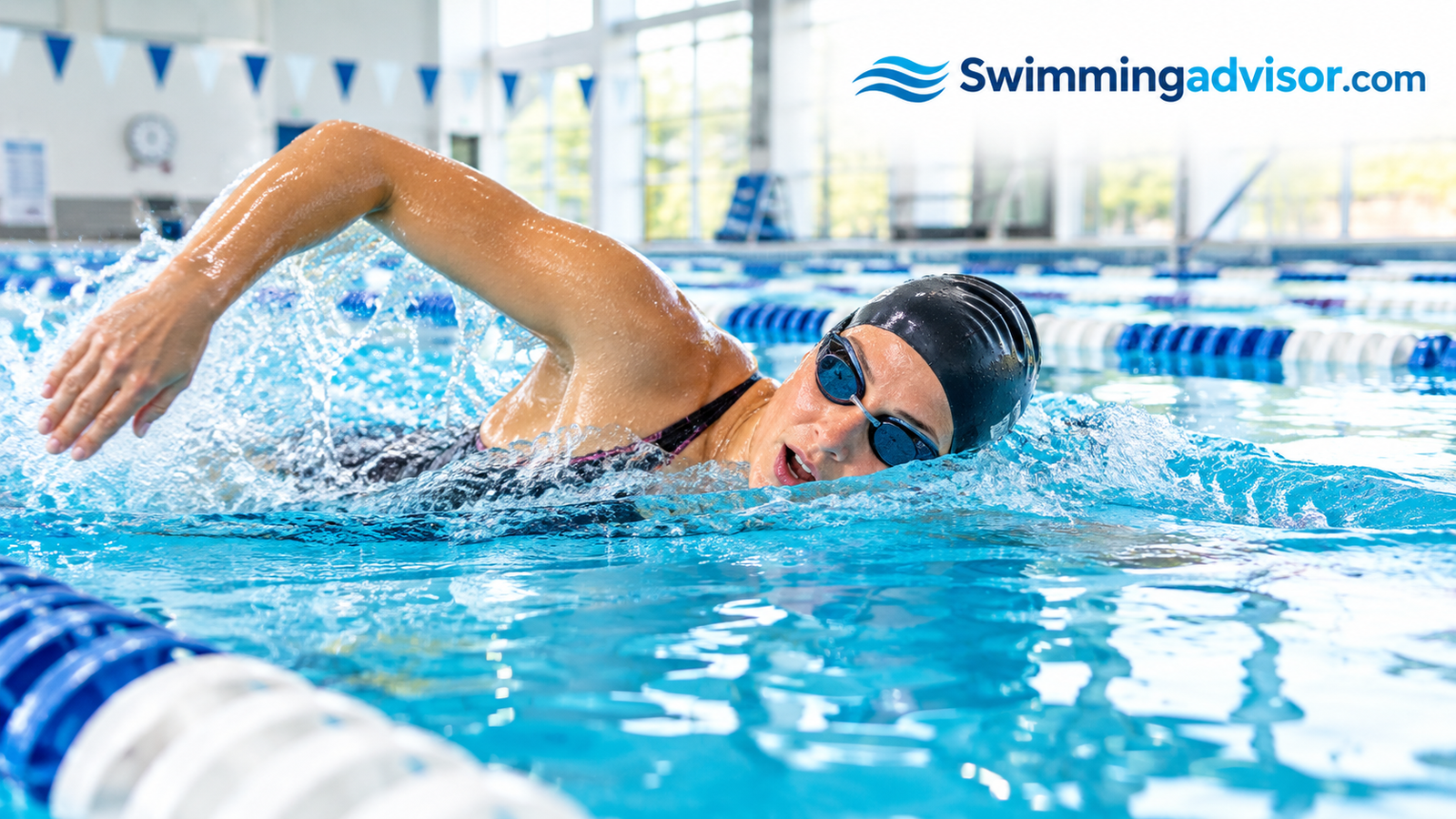
Does Swimming Help You Lose Weight? What Actually Works in the Pool
Calories, strokes, sample plans, and the honest reasons the scale sometimes refuses to move.
You have probably heard that swimmers have the best bodies in sport, and you have probably also met a person who swims three mornings a week and looks exactly the same as they did a year ago. Both things are true, and that contradiction is the heart of this question. Swimming can absolutely help you lose weight, but it does not do it automatically, and it does not do it the same way for everyone.
This guide walks through the whole picture in plain language: how much energy a swim session really uses, how it compares with running, cycling, and walking, which strokes and workouts pull the most weight, what to eat, what to avoid, and why appetite is the quiet wrecking ball of so many pool-based plans. If you only want a quick overview of how swimming stacks up as exercise in general, our piece on whether swimming is a good workout is a helpful companion read.
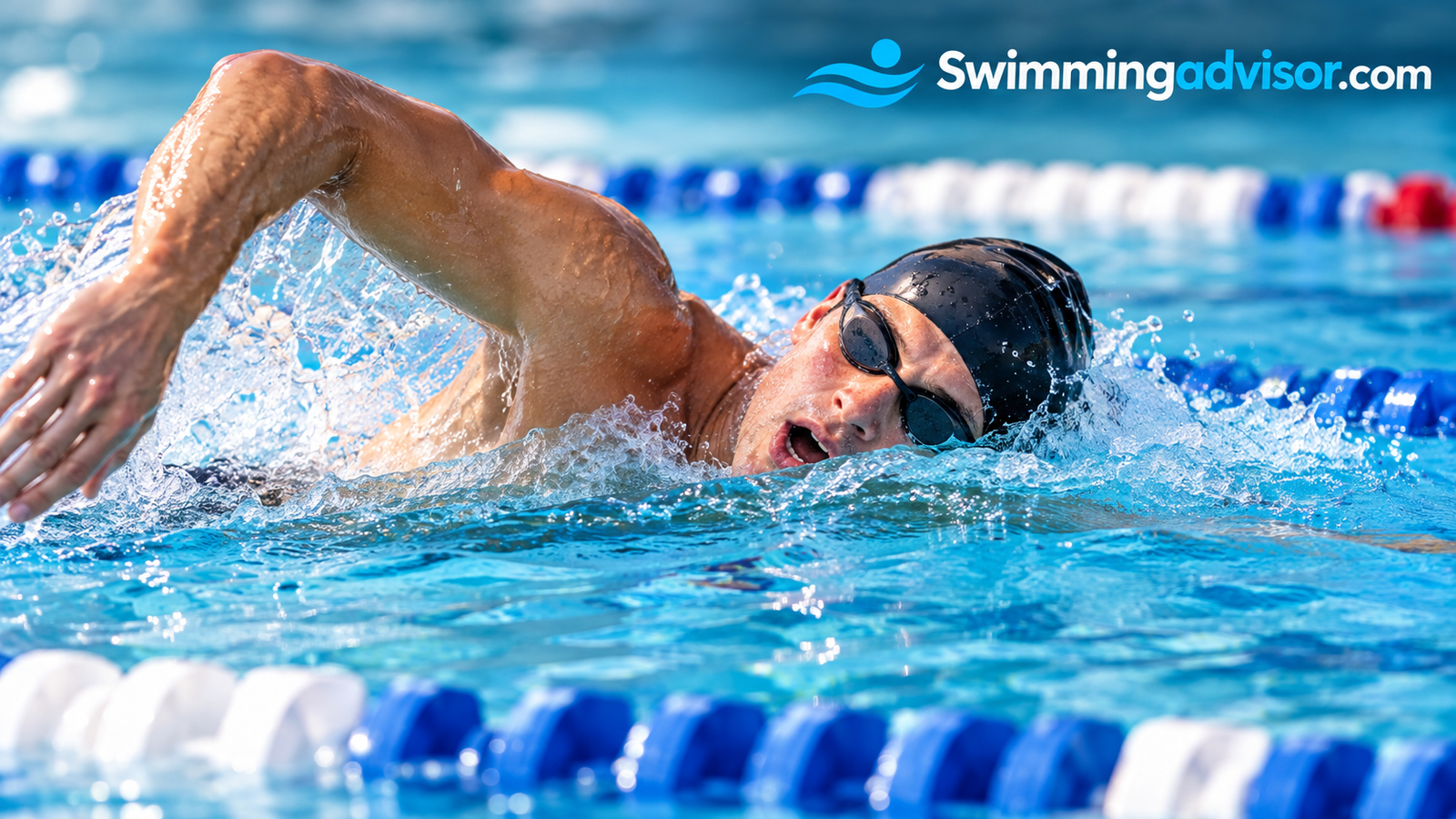
1. The Short Answer: Does Swimming Help You Lose Weight?
Yes. Swimming burns a meaningful number of calories, builds and maintains muscle, and is gentle enough on the joints that most people can do it often. Weight loss comes down to using more energy than you take in over time, and swimming is a legitimate way to raise the energy you use.
But here is the nuance that saves people months of frustration. Swimming is an excellent tool, not a guaranteed result. Three things decide whether it works for you: how hard and how often you swim, what happens with your appetite afterward, and what the rest of your week looks like. A person who swims hard, sleeps well, and eats with some awareness will usually see change. A person who swims gently for half an hour and then treats themselves to a large post-swim meal might not.
Who tends to benefit the most
- People who find running or high-impact classes uncomfortable or painful
- Anyone carrying extra weight who wants exercise that does not pound the knees and hips
- Beginners who need a low-intimidation way to build a habit
- People who are bored by the gym and like structured sets with a clear start and finish
- Those recovering from injury who have been cleared for low-impact movement
Browse popular fitness swim essentials on Amazon.
2. How Many Calories Does Swimming Actually Burn?
Calorie burn in the water depends on your body size, your stroke, your speed, and your efficiency. That last one surprises people. A skilled swimmer glides with less wasted motion, so a beginner who thrashes through the water can burn more per minute than an experienced swimmer cruising at an easy pace. As you improve, you typically need to swim faster or longer to get the same burn.
The table below gives rough hourly ranges for an average adult. Treat them as ballparks, not promises. Wearable estimates in the pool are also imperfect, so use them to compare your own sessions against each other rather than as gospel.
| Swim Effort | What It Feels Like | Approx. Calories per Hour |
|---|---|---|
| Easy recreational paddling | Chatting, frequent rests | Roughly 300–450 |
| Steady lap swimming | Breathing noticeably, can still think clearly | Roughly 450–600 |
| Vigorous laps | Hard breathing, short rests only | Roughly 600–800 |
| Hard intervals with short rests | Pushing close to your limit | Roughly 700–900+ |
Heavier bodies burn more energy moving through water, simply because there is more mass to move, and lighter people burn somewhat less at the same effort. That is one reason your results will not match a friend’s even when you swim side by side.
The 3,500-calorie rule, and why to hold it loosely
You may have heard that a pound of body fat equals roughly 3,500 calories. It is a useful rule of thumb for planning, but real bodies adjust. As you lose weight, you burn a bit less at rest, your appetite can rise, and your body gets more efficient at exercise. So do not expect a perfectly straight line on the scale. Expect a trend that wiggles but points downward over weeks, not days.
A realistic example
Imagine someone who swims steady laps for 45 minutes, four times a week, at a pace that burns around 500 calories an hour. That is roughly 1,500 calories a week from swimming alone. Over a month, that is a noticeable energy gap, and it is sustainable because the work is low-impact. Add a few small food improvements and the effect multiplies. Notice that nothing here requires heroic effort, only repetition.
Waterproof fitness trackers make it easy to compare sessions over time.
3. Swimming vs Other Workouts for Weight Loss
People often ask whether swimming is better than running or cycling for fat loss. The honest answer is that the best exercise is the one you will actually do consistently, and for many people that is swimming because it feels kinder to the body. On a pure calories-per-minute basis, hard running usually edges out swimming at the same perceived effort. But swimming recruits your arms, shoulders, back, core, and legs together, which is a lot of muscle working at once.
| Activity | Joint Impact | Muscle Groups Used | Best For |
|---|---|---|---|
| Swimming | Very low | Full body | Steady fat loss with low injury risk |
| Running | High | Mostly lower body and core | High calorie burn per minute |
| Cycling | Low | Mostly legs | Long, steady sessions |
| Walking | Low | Lower body | Daily movement and easy consistency |
| Strength training | Varies | Targeted | Building muscle that supports metabolism |
Where swimming wins
- Gentle on joints, even at higher body weight
- Works upper and lower body together
- Less risk of overuse injury than running
- Cool water can make hard effort feel easier
Where swimming falls short
- Needs pool access and some technique
- Less weight-bearing, so less bone loading
- Water can dull the sense of how hard you are working
- Easy to coast if you are not tracking effort
The smartest approach for many people is not to choose one. Swim three days, walk on the others, and add a little strength work. If building lean tissue interests you, our deep dive on whether swimming builds muscle explains what to expect and where other training can fill the gaps.
Resistance bands pair nicely with pool days.
4. What the Science Says About Swimming and Fat Loss
Research on swimming and body weight is more mixed than most fitness articles admit. Studies on recreational swimmers sometimes show smaller weight changes than studies on runners or cyclists, even when the calories burned look similar on paper. Researchers have offered a few explanations, and they are worth understanding because they shape how you should swim.
Appetite and water temperature
One idea is that exercising in cooler water may nudge appetite upward afterward as the body works to restore heat. The evidence is not settled, and individual responses differ, but many swimmers report feeling ravenous after a session. Warm pools may matter less here than the simple fact that swimming is hard work and hunger follows effort.
Buoyancy and the feeling of effort
Because water supports your body, you may feel less strain than you would running at the same energy cost. That is wonderful for comfort, but it can lead to underestimating how much you are burning, and therefore overestimating how much you can eat as a reward.
Body composition matters more than the scale
Swimming tends to build muscle in the shoulders, back, and core while reducing fat. Muscle is denser than fat, so your clothes may fit differently before the scale moves much. Many swimmers find that waist measurements, how jeans fit, and how they feel climbing stairs tell a fuller story than weight alone.
A simple tape measure and smart scale help you see the full picture.
5. The Best Strokes for Weight Loss
Not every stroke burns the same amount, and not every stroke suits every swimmer. The right answer combines what burns more with what you can sustain with decent form.
| Stroke | Relative Calorie Burn | Difficulty | Notes |
|---|---|---|---|
| Butterfly | Highest | Hard | Brutal but effective; great in short bursts |
| Breaststroke | High | Moderate | Often burns more than people expect |
| Freestyle | High | Moderate | Best all-round stroke for sustained laps |
| Backstroke | Moderate | Easy to moderate | Good for recovery laps and posture |
| Sidestroke | Lower | Easy | Comfortable for beginners building a habit |
Freestyle as your foundation
Freestyle is the workhorse of fitness swimming. You can hold a steady rhythm, control your pace, and adjust effort easily. Most weight-loss swim plans are built around it, with other strokes sprinkled in for variety and to keep muscles guessing.
Mixing strokes to stay engaged
Variety protects against boredom and overuse. A simple pattern is to swim freestyle for most of your set and use breaststroke or backstroke as active recovery. Because different strokes load different muscles, this also helps your shoulders stay healthy.
Technique pays you back in calories
Poor technique wastes energy in ways that do not help fat loss, and it can make swimming feel miserable, which kills consistency. If you often feel breathless after two lengths or your shoulders ache, improving form will let you swim longer and harder. Start with our guide on how to improve swimming technique, then build stamina with how to increase swimming endurance.
Goggles that fit properly make long sessions far more comfortable.
6. Interval Sets That Burn More Than Steady Laps
If you only ever swim at one comfortable pace, your body adapts and the same workout slowly burns less effort. Intervals, meaning alternating harder and easier efforts, are a classic way to raise the intensity without requiring you to grind out hours in the pool.
Beginner interval set
After an easy warm-up, swim one length at a brisk pace, then one length easy. Repeat for 10 to 12 rounds. This teaches your body to recover while moving, and it keeps the session interesting.
Intermediate ladder
Swim 2 lengths hard, rest 20 seconds, then 4 lengths hard, rest 30 seconds, then 6 lengths hard, rest 40 seconds. Climb back down the ladder. A ladder keeps the brain busy and the clock moving.
Short-burst finisher
Finish your session with eight rounds of a fast length followed by 20 to 30 seconds of rest. Short bursts finish quickly and raise your overall session effort.
- Always warm up for at least five minutes with easy swimming
- Keep hard efforts controlled; sloppy form at top speed wastes energy
- Limit hard interval sessions to two or three a week so you can recover
- Cool down with slow laps to bring your heart rate down gradually
Pool tools can make intervals more effective, and they add variety. Hand paddles in particular increase the resistance on each pull. If you are curious how they work, our articles on what swim paddles do and the benefits of hand paddles for swimming cover the details.
Paddles and pull buoys turn simple laps into a real workout.
7. Sample Weekly Swim Plans for Weight Loss
Plans are useful because they remove decisions. Below are three weekly templates depending on your current fitness. Adjust the times to your life, and remember that any plan you can maintain beats a perfect plan you abandon.
| Level | Sessions per Week | Session Length | Focus |
|---|---|---|---|
| Beginner | 2–3 | 20–30 minutes | Comfort, breathing, steady movement with rests |
| Intermediate | 3–4 | 35–50 minutes | Continuous laps plus one interval session |
| Advanced | 4–5 | 45–60 minutes | Mixed strokes, intervals, and tool work |
A simple beginner week
- Day 1: 20 minutes alternating one easy length with one length of rest
- Day 2: A walk or light activity
- Day 3: 25 minutes of easy swimming with short rests
- Day 4: Rest or gentle stretching
- Day 5: 25 to 30 minutes, trying to swim slightly longer between rests
- Weekend: Active fun, such as a family pool day
A simple intermediate week
- Day 1: 40 minutes of continuous freestyle at a steady pace
- Day 2: Strength work or a brisk walk
- Day 3: Interval ladder session
- Day 4: Rest
- Day 5: Mixed-stroke swim with a kickboard block
Kick sets are a great way to work the legs, which are large muscles that burn plenty of energy. If you are new to them, see our guides on the best swimming kickboards and how to use a kickboard for swimming.
A good kickboard is a cheap way to add variety to every session.
8. Why Some People Swim and Still Do Not Lose Weight
This is the section most articles skip, and it is the one that explains the frustration. If you swim regularly and the scale has not budged, one or more of the following is usually happening.
Compensation eating
After a workout, it is natural to feel hungry and to feel you earned a treat. A single large coffee drink or a hearty post-swim meal can easily replace the calories from the session. This is not a character flaw; it is human biology and psychology working together.
Swimming too easily for too long
Easy, relaxed swimming is wonderful for your mood and mobility, but it burns at the lower end of the range. If your sessions never raise your breathing, your results will be slow. Add some structure with a few harder lengths.
Inconsistency
One big week followed by two weeks off does not add up to much. Steady, repeatable habits beat bursts of enthusiasm almost every time.
Overestimating calorie burn
Wearables and machine estimates are often generous. If you are eating back every calorie your watch reports, you may be consuming more than you burn.
Short sleep and high stress
Poor sleep raises hunger and lowers willpower for many people, and chronic stress can do the same. Exercise helps both, but it cannot fully undo a pattern of exhaustion.
Fixes that usually help
- Plan a protein-rich snack before you leave the pool
- Add one interval session each week
- Log sessions so you can see consistency
- Prioritize sleep on swim days
Common traps
- Treating every swim as permission to overeat
- Skipping meals and then overeating later
- Relying on one calorie estimate
- Comparing your results to someone else’s
Having something good in your swim bag prevents bad choices on the way home.
9. Eating Around Your Swims
Food is not the enemy of swimming for weight loss; it is half of the equation. The goal is to fuel your sessions enough to swim well while keeping your overall intake reasonable. This is general information, not personal medical or dietary advice, and anyone with a health condition should check in with a professional.
Before you swim
Aim for something light and digestible about an hour or two before you get in the water. A banana, toast with peanut butter, or yogurt with fruit are classic options. Swimming on a very full stomach can feel uncomfortable, while swimming completely empty can leave you flat and more likely to overeat afterward.
After you swim
A balanced meal with protein, vegetables, and some complex carbohydrates helps you recover and keeps hunger under control. Protein in particular tends to keep you fuller for longer, which makes the rest of the day easier.
Hydration is sneaky in the pool
Because you are surrounded by water, you do not notice sweating, but you do lose fluid. Bring a bottle to the pool deck and sip regularly. Sometimes thirst masquerades as hunger.
| Timing | Good Choices | Why They Work |
|---|---|---|
| 1–2 hours before | Banana, oatmeal, toast with nut butter | Easy energy without heaviness |
| Right after | Greek yogurt, protein shake, fruit and nuts | Curbs hunger and supports recovery |
| Within a couple of hours | Lean protein, vegetables, whole grains | Balanced meal that fills without overshooting |
If you are planning a longer pool or open-water session, you may also want to know about swimming on your period, since planning around your cycle can help you stay consistent.
An insulated bottle keeps water cold through a long session.
10. Gear That Makes Swimming for Weight Loss Easier
You do not need much to start, but the right gear makes sessions more comfortable, more motivating, and easier to track. Here are the categories that matter most.
Swimming watches
A swim-friendly watch counts laps, tracks pace, and estimates calories so you can see your progress over weeks. If you want to compare options, start with our roundup of the best swimming watches. On a tighter budget, see our cheap swimming watch picks. Garmin fans can dig into the best Garmin swimming watch guide or the Garmin Fenix 8 review. Apple users may prefer our Apple Watch Ultra 2 review, and open-water swimmers should look at the best open water swimming watch list.
Snorkels for steady form
A front-mounted swim snorkel removes the need to turn your head to breathe, which lets you focus on stroke mechanics and hold a steady rhythm. See the best swim snorkels for options.
Swim belts and support for heavier or returning swimmers
Buoyancy aids can help you stay comfortable while you build confidence and fitness. Our guides on the best swim belt for adults and swim belts in general explain how they work and who benefits most.
A bag that keeps you organized
Consistency often comes down to logistics. A dedicated bag with compartments for wet and dry items means you can grab it and go. Check out the best swim bags.
- Well-fitting goggles that do not leak or fog
- A comfortable suit designed for lap swimming
- Swim cap to reduce drag and protect hair from chlorine
- A waterproof watch or tracker to see progress
- Training tools such as kickboards and paddles
Explore top-rated swimming watches and accessories.
11. The Low-Impact Advantage: Swimming for Heavier Bodies and Sore Joints
For many people, the single biggest advantage of swimming is not the calorie count; it is the ability to keep going. Water supports a large portion of your body weight, which takes pressure off the knees, hips, and back. That matters enormously if you are carrying extra weight, recovering from an injury, or simply dealing with stiff joints.
Weight loss is a long game. A workout that leaves you sore, injured, or dreading the next session is a workout you will quit. Swimming often lets people train more days per week, with less recovery required, than higher-impact alternatives.
Starting when you are new or out of shape
Begin with short sessions and plenty of rests. Walking laps in the shallow end counts. So does holding the wall and kicking. Build gradually, and celebrate consistency instead of speed.
Relaxing pool time still counts
If you do not have easy access to a lap pool, you can still build activity into summer fun. A backyard setup can get you moving, and you can explore options through our guides to the best inflatable swimming pools and the best inflatable swimming pool for adults. They will not replace lap swimming, but they make it easier to keep moving. Heavier adults who like floating should also see our list of the best pool floats for heavy adults.
Benefits of low-impact training
- Lower injury risk
- Easier to train more days each week
- Comfortable for beginners
- Relaxing and good for mental health
Things to keep in mind
- Less bone-strengthening than weight-bearing exercise
- Needs pool access or a safe open-water spot
- Safety around water always matters
- Medical conditions may need clearance first
Backyard pools make casual activity easier to fit in.
12. Tracking Progress and Staying Consistent
The best swim plan is the one you keep doing. Consistency is a skill, and like swimming itself it improves with practice. A few habits make a big difference.
Set small, process-based goals
Instead of only targeting a weight, set goals you control: swim three times this week, add one length to your continuous swim, or try a new stroke. Hitting these goals builds momentum, and the results follow.
Track more than the scale
- Waist and hip measurements every two to four weeks
- How many continuous lengths you can swim
- Energy levels and sleep quality
- How your clothes fit
- Progress photos taken in similar lighting
Make it easy
Keep your bag packed, schedule swims like appointments, and pick a pool that is convenient. Friction is the enemy of habits. Finding a swim buddy or joining a masters or fitness swim group adds accountability and makes the water more fun.
Expect plateaus
Progress is rarely linear. When things stall, try changing one variable: add an interval session, extend your swim by ten minutes, or tighten up your post-swim snacks. Small adjustments restart momentum without requiring a total overhaul.
A well-packed swim bag makes showing up effortless.
Conclusion: So, Does Swimming Help You Lose Weight?
It does, and for many people it is one of the most sustainable ways to do it. Swimming burns real calories, works nearly every major muscle group, and treats your joints kindly, which means you can keep showing up week after week. The catch is that it is not magic. Results depend on effort, consistency, and what you do with the hunger that swimming tends to create.
If you want a simple way to get started, pick three days a week, swim for 30 to 45 minutes, include one interval session, and eat a sensible meal afterward. Track how you feel and how your clothes fit, not only the number on the scale. Give it a couple of months before judging it, and adjust one thing at a time when progress stalls.
Whether you are a complete beginner or a returning swimmer, the pool is a welcoming place to start. Grab a pair of goggles, pick your first set, and get moving.
Everything you need for your first fitness swim is one click away.
Frequently Asked Questions
Does swimming help you lose weight?
Yes, swimming can help you lose weight by raising the number of calories you burn and by building muscle. Results depend on how often and how hard you swim and on whether your eating stays reasonable.
How long should I swim to lose weight?
Most people do well with 30 to 60 minutes, three to five times a week. Beginners can start with 15 to 20 minutes and build gradually as their endurance improves.
How many calories does 30 minutes of swimming burn?
It varies with your size, stroke, and effort, but a rough range is about 200 to 400 calories for 30 minutes. Harder efforts and heavier bodies tend to sit at the higher end.
Is swimming better than running for weight loss?
Running usually burns more per minute, but swimming is easier on the joints and works more of the body. The better choice is the one you can do consistently without injury.
Can swimming help reduce belly fat?
You cannot choose where your body loses fat, but regular swimming combined with a moderate diet reduces overall body fat, including around the midsection. Swimming also strengthens your core, which can improve posture and how your waist looks.
Which swimming stroke burns the most calories?
Butterfly typically burns the most, followed by breaststroke and freestyle. Because butterfly is demanding, freestyle is usually the most practical choice for longer weight-loss sessions.
Why am I swimming but not losing weight?
Common reasons include eating more after swims, swimming too easily, inconsistent sessions, and overestimating calorie burn. Adding intervals and watching post-swim snacking usually helps.
Is swimming good for beginners trying to lose weight?
Yes. Water supports your body, so it is a gentle way to start. Begin with short sessions and rests, and increase the time as you get comfortable.
Do I need to swim laps, or does water walking count?
Water walking and other pool activity count, especially for beginners or anyone with joint concerns. Lap swimming generally burns more, so progressing toward it is a good long-term goal.
Should I swim before or after eating?
A light snack one to two hours before works well for most people. Swimming on a very full stomach can feel uncomfortable, and swimming completely empty can leave you low on energy.
Will swimming make me bulky?
Swimming tends to build lean, toned muscle, especially in the shoulders, back, and core, rather than large bulk. Many people find it creates a balanced, athletic look over time.
How long before I see results from swimming?
Many people notice changes in energy, fitness, and how clothes fit within a few weeks, while visible body changes often take a couple of months of consistent effort. Everyone progresses differently, so focus on trends over time.