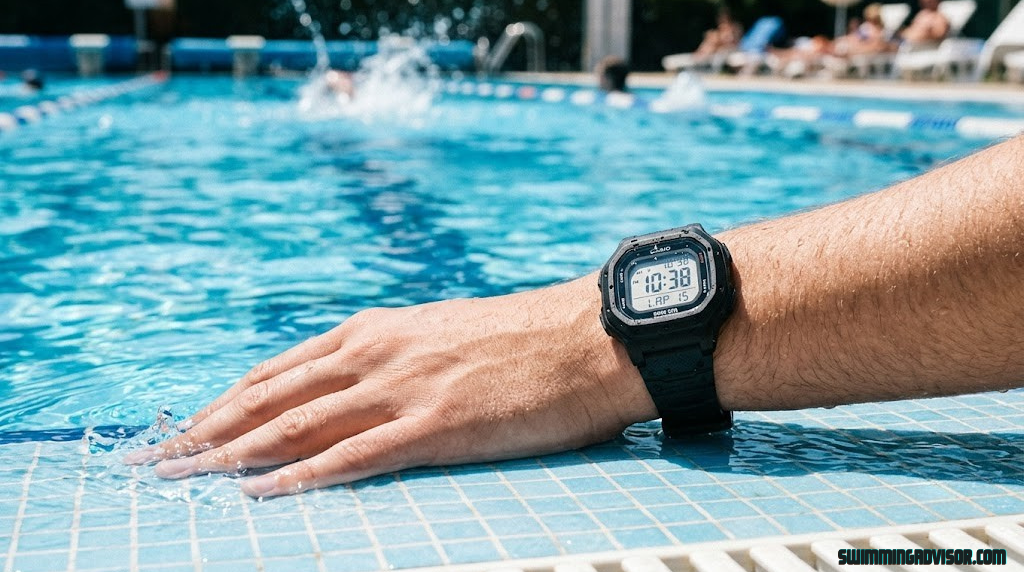
Cheap Swimming Watch Guide: 7 Budget Picks That Actually Track Laps Well
You don’t need to spend $700 to get lap counting, stroke detection, and real water resistance. Here’s what’s actually worth buying — and what to skip.
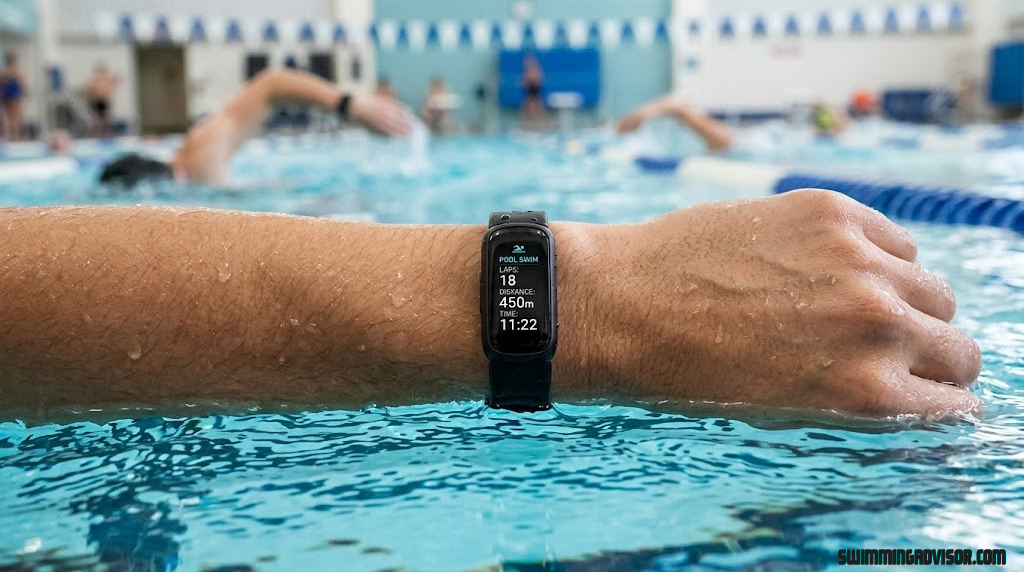
A good cheap swimming watch doesn’t need a five-figure price tag — it needs the right sensors and a sensible waterproof rating.
Why a Budget Swim Watch Can Be Enough
There’s a persistent myth in the swimming community that you need a flagship watch to get meaningful pool data. It’s not true. Lap counting, stroke recognition, and SWOLF scoring have trickled down into far cheaper hardware over the last few product cycles, and several sub-$150 watches now handle 25m and 50m pool tracking with surprising consistency.
That said, “cheap” and “good for swimming” don’t automatically overlap. A watch can be inexpensive and still be a poor swim companion if its water resistance rating is vague, if its accelerometer struggles with breaststroke, or if the touchscreen becomes unresponsive when wet. This guide walks through seven widely available options — from fitness-tracker-style budget picks to sport-focused watches that happen to be affordable — and breaks down which ones are genuinely worth wearing at the pool.
If you want the full picture across every price tier, not just the budget end, our best swimming watches guide covers the complete range, including premium options. This article focuses specifically on the affordable side of that spectrum.
What to Look for Before You Buy a Cheap Swimming Watch
Before comparing individual models, it helps to know which specs actually matter for swimming and which are just marketing filler. Here’s what separates a genuinely pool-ready watch from one that merely survives a splash.
1. Real Water Resistance, Not Just “Splash Proof”
Look for a rating of 5 ATM (50 meters) or higher, or an explicit swim-proof / swimproof certification. Watches rated only for “sweat and rain resistance” should never go in a pool, no matter how tempting the price. A few of the watches on this list are rated to 5 ATM, which comfortably covers recreational lap swimming and light open-water use.
2. Automatic Pool Length Detection
Cheaper watches sometimes require you to manually input pool length before every session. Better budget models auto-detect standard pool lengths (25m, 25 yards, 50m) using the accelerometer, saving you a step every time you jump in.
3. Stroke Recognition
This is where budget and premium watches diverge the most. Entry-level trackers often only count total laps and distance, without identifying whether you swam freestyle, breaststroke, backstroke, or butterfly. If stroke-specific breakdowns matter to you, this is a feature worth checking closely before purchase.
4. SWOLF Score
SWOLF (swim golf) combines your lap time with your stroke count to give a rough efficiency score — lower is better. It’s a small feature but a genuinely useful one for tracking technique improvement over time, and it’s increasingly common even in budget hardware.
5. Battery Life That Survives a Training Block
Swim tracking, especially with GPS active for open water, drains batteries faster than everyday step counting. A watch that claims a week of battery life in “normal use” might only manage two or three days with regular swim sessions logged.
6. Physical Buttons vs Touchscreen-Only Control
Wet touchscreens can misbehave — water droplets are sometimes registered as taps. Watches with at least one physical button for starting/stopping a swim session tend to be more reliable mid-workout than touchscreen-only designs.

Want to see how the Amazfit stacks up first? It’s one of the most balanced budget picks on this list.
Check Price on AmazonQuick Comparison Table
Here’s a side-by-side snapshot of all seven watches before we go deep on each one. Use this to shortlist two or three candidates, then read the full breakdowns below.
| Watch | Water Resistance | Stroke Recognition | Battery (typical use) | Best For |
|---|---|---|---|---|
| Amazfit Bluetooth Calling | 5 ATM | Yes | Several days | All-rounder budget pick |
| Fitbit Charge (Midnight) | Swimproof (5 ATM) | Basic lap tracking | Up to a week | Fitness-first swimmers |
| Xiaomi Smart Band/Watch | 5 ATM | Basic | Multiple days | Tightest budget |
| Samsung Galaxy Watch (Intl) | 5 ATM + IP68 | Yes | 1–2 days (AMOLED) | Smartwatch features + swim tracking |
| Garmin Forerunner | 5 ATM | Full stroke detail | Several days (GPS mode less) | Serious pool + open water swimmers |
| COROS PACE | 5 ATM | Full stroke detail | Long GPS battery life | Runners who also swim |
| COROS Ultralight Touchscreen | 5 ATM | Full stroke detail | Extended multi-day | Lightweight all-day wear |
Prefer to skip straight to Garmin-specific advice? See our dedicated best Garmin swimming watch roundup.
1. Amazfit Bluetooth Calling Smartwatch
The Amazfit sits near the top of this list because it manages to blend genuine swim-tracking chops with everyday smartwatch conveniences like Bluetooth calling, notifications, and a long-lasting battery — all at a price point well below most mainstream sports watches.
In the pool, it tracks lap count, distance, pace, and calorie burn, and it does a reasonable job distinguishing between major stroke types. It won’t match a dedicated Garmin for granular stroke-by-stroke analysis, but for someone doing structured lap sets three or four times a week, the data it produces is more than sufficient to track progress over time.
Outside the pool, the round AMOLED-style display is bright enough to read in direct sunlight poolside, and the battery comfortably stretches across several days of mixed use, which matters if you’re training frequently and don’t want to think about charging every night.
Pros
- Genuinely swim-safe rating for lap and open-water sessions
- Bluetooth calling adds everyday utility beyond fitness tracking
- Long battery life relative to price
- Clean, readable display in bright poolside conditions
Cons
- Stroke recognition is good, not elite-level precise
- GPS accuracy in open water trails dedicated sports watches
A strong all-rounder if you want smartwatch features alongside real swim tracking.
Check Current Price2. Fitbit Charge (Midnight)
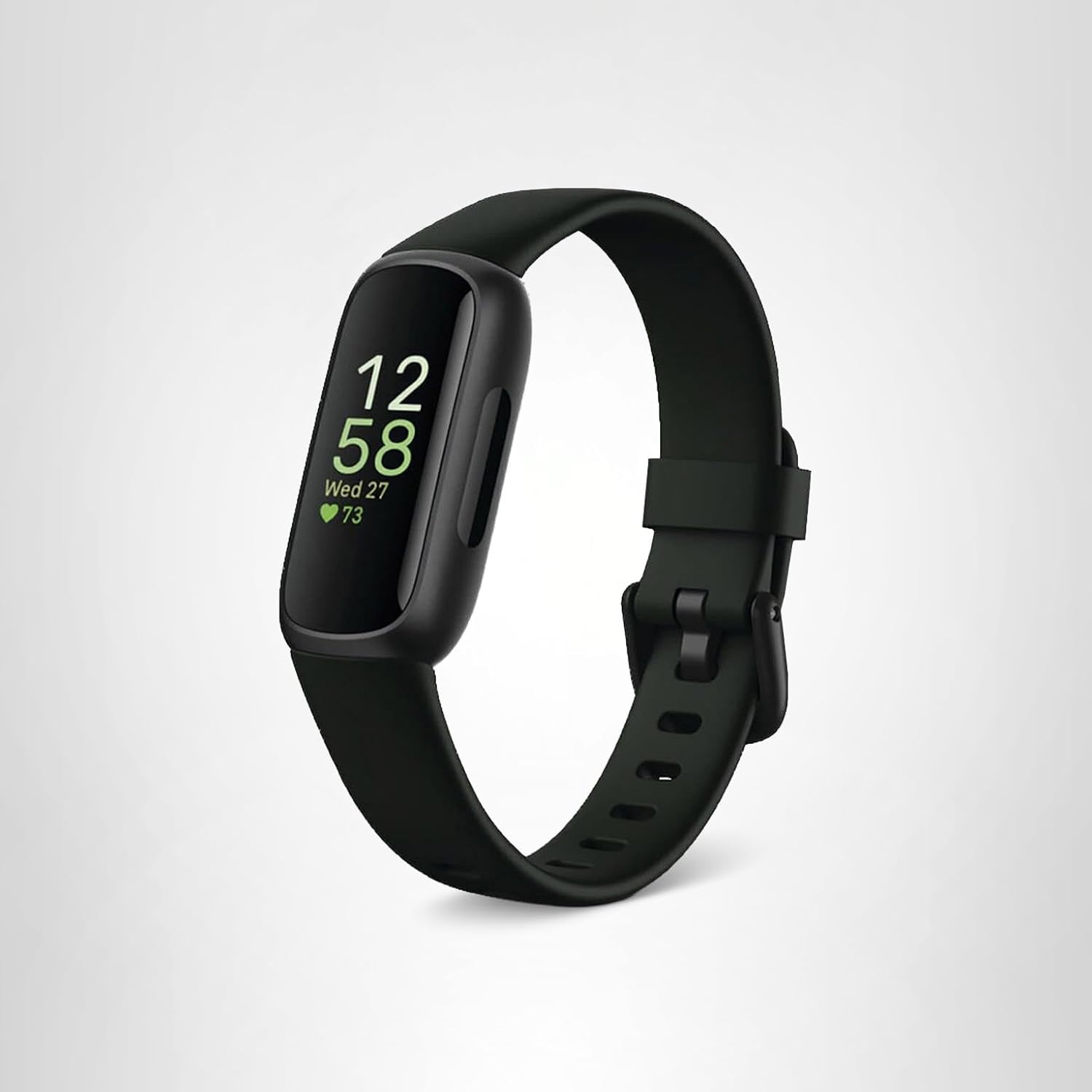
Fitbit’s Charge line has long been the go-to recommendation for people who want fitness tracking that doesn’t feel like sports gear — and the swimproof rating on this model means it survives pool sessions without hesitation. It’s less a dedicated “swim watch” and more a well-rounded fitness tracker that happens to handle water confidently.
What it does well: heart rate monitoring through the water (to the extent optical HR sensors can manage submerged), automatic exercise recognition, sleep tracking, and a genuinely long battery life that can stretch close to a week between charges. What it doesn’t do: give you the kind of detailed stroke-by-stroke breakdown that dedicated swim watches like the Garmin or COROS models further down this list provide.
If your priority is a single wearable that covers daily activity, sleep, and casual lap swimming without needing separate devices, the Charge is a sensible, low-friction choice. If you’re training seriously for open water events, you’ll likely outgrow it faster.
Pros
- Comfortable, low-profile design for all-day wear
- Excellent battery life for the price bracket
- Strong all-around fitness and sleep tracking
Cons
- Lap tracking is basic compared to sport-specific watches
- No GPS for open-water route mapping
Best for swimmers who want one wearable for everything, not just the pool.
Check Current Price3. Xiaomi Smart Band / Watch

If your budget is the single deciding factor, the Xiaomi option on this list consistently undercuts nearly everything else while still offering a legitimate 5 ATM water resistance rating and a dedicated swim mode. It’s proof that “cheap” doesn’t have to mean “unusable in water.”
The trade-off is precision. Lap counting works reliably in a standard pool once the length is set, but stroke recognition is noticeably more basic than on the sport-focused watches later in this guide. Distance and calorie estimates in open water are also less reliable, since Xiaomi’s wearables in this tier typically rely on connected-GPS (via phone) rather than a built-in GPS chip.
For pool-only swimmers who mainly want a lap counter, heart rate readout, and long battery life without spending much, this remains one of the most sensible low-cost options available.
Pros
- Among the most affordable swim-rated wearables available
- Long battery life, often multiple days per charge
- Simple, lightweight design that’s comfortable during long sessions
Cons
- Basic stroke recognition
- No standalone GPS chip on most models in this line
The tightest-budget option here that still offers a genuine swim mode.
Check Current Price4. Samsung Galaxy Watch (International Version)

The Galaxy Watch bridges the gap between a full smartwatch experience and legitimate swim tracking. Its combined 5 ATM and IP68 rating covers both submersion and dust resistance, and its swim-tracking workout mode logs laps, distance, pace, and calories with solid consistency across pool sessions.
Where it pulls ahead of pure fitness trackers is the broader smartwatch ecosystem: full notification support, a large watch face marketplace, and (depending on model and pairing) more capable third-party app support. The trade-off is battery life — the bright AMOLED display that makes it so pleasant to use day-to-day also means most Galaxy Watch models need charging every day or two, especially with GPS-based tracking in use.
This is a strong pick for someone who wants their swim tracker to double as their everyday smartwatch, rather than treating swimming as the device’s sole purpose.
Pros
- Vivid, high-resolution display
- Full smartwatch feature set alongside swim tracking
- Reliable lap and stroke detection in the pool
Cons
- Shorter battery life than dedicated sport watches
- Best ecosystem experience is tied to Android/Samsung devices
Ideal if you want one watch to handle swim sessions and everyday smartwatch duties.
Check Current PriceIf you’re weighing this against Apple’s ecosystem instead, our Apple Watch Ultra 2 review covers the premium alternative in depth.
5. Garmin Forerunner

The Forerunner line is where “budget” starts to blur into “genuinely serious training tool,” and it’s the first watch on this list built primarily for athletes rather than general fitness users. Garmin’s swim algorithms are widely regarded as some of the most accurate in the category, correctly identifying stroke type, counting lengths precisely, and calculating SWOLF scores that track meaningfully with real technique changes over time.
Built-in GPS makes open-water swim tracking considerably more reliable than phone-connected alternatives, mapping your actual swim route and calculating distance without needing a paired phone nearby. Suggested workouts and training load features, while designed with running in mind, still contribute useful recovery data for swimmers cross-training between disciplines.
It costs more than the Xiaomi or Fitbit options above, but for anyone training toward a specific swim goal — whether that’s technique refinement or an open-water event — it remains one of the best value-for-precision choices in this guide.
Pros
- Industry-respected swim tracking accuracy
- Built-in GPS for true open-water route mapping
- Detailed post-swim analytics in the companion app
Cons
- Pricier than pure fitness-tracker options
- GPS use drains battery faster than pool-only tracking
The most training-focused watch on this list, built for swimmers chasing real progress.
Check Current PriceWant the definitive Garmin swim rankings? See our best Garmin swimming watch guide, or compare it against Garmin’s flagship in our Garmin Fenix 8 review.
6. COROS PACE

COROS built its reputation with runners and triathletes, and the PACE line reflects that heritage: lightweight construction, dual-frequency GPS for better signal accuracy near buildings or in choppy open water, and multi-day battery life even with regular workout tracking. For swimmers specifically, it offers full stroke recognition, lap counting, and SWOLF scoring on par with much pricier watches.
Where the PACE distinguishes itself from Garmin’s Forerunner is battery efficiency — COROS watches are known for squeezing considerably more GPS-tracked hours out of a single charge, which matters if you’re training across multiple disciplines in the same week and don’t want to charge nightly.
The companion app is less feature-dense than Garmin Connect but covers the essentials cleanly: swim history, pace trends, and training load, without overwhelming casual users with data they won’t use.
Pros
- Exceptional battery efficiency relative to competitors
- Dual-frequency GPS improves open-water accuracy
- Lightweight, comfortable for long training blocks
Cons
- Companion app has fewer social/community features
- Smaller third-party app ecosystem than Garmin
A fantastic pick for multi-sport athletes who swim as part of a broader training plan.
Check Current PriceTraining mainly in open water? Our best open water swimming watch guide ranks the PACE against other open-water specialists.
7. COROS Ultralight Touchscreen

This newer COROS model adds a responsive touchscreen to the brand’s usual strengths in battery life and swim-tracking accuracy, without sacrificing the ultralight build that makes it easy to forget you’re wearing it during a long set. It carries the same 5 ATM-class water resistance and full stroke-detection algorithms found in the PACE, with a slightly refined interface that’s easier to navigate mid-workout.
COROS has clearly tuned the touchscreen to behave sensibly when wet — a known weak point for touchscreen-only sports watches — by pairing it with physical button controls for critical actions like starting or stopping a swim set, so accidental water taps don’t interrupt your session.
For swimmers who want the accuracy and efficiency of the COROS ecosystem but prefer touchscreen navigation over button-only menus, this is currently the brand’s most user-friendly swim-ready option.
Pros
- Touchscreen convenience without sacrificing reliability in water
- Ultralight design ideal for all-day and multi-sport wear
- Strong stroke recognition and SWOLF accuracy
Cons
- Newer release, so third-party accessory support is still growing
- Premium positioning within the COROS lineup pushes price up slightly
The most refined COROS option here, blending touchscreen ease with proven swim accuracy.
Check Current PriceUnderstanding Water Resistance Ratings (So You Don’t Ruin a Watch)
Water resistance ratings confuse more buyers than any other spec on this list, so it’s worth clearing up before you commit to any purchase. “Splash resistant” and “swimproof” are not interchangeable claims, even though marketing copy sometimes blurs the line.
ATM (atmosphere) ratings estimate resistance to static water pressure, not necessarily the dynamic pressure created by diving or swimming strokes. A watch rated 3 ATM is generally fine for washing your hands or getting caught in rain, but manufacturers typically advise against swimming with it. A 5 ATM rating is the realistic minimum for lap swimming, and it’s the baseline every watch on this list meets or exceeds.
IP ratings (like IP68) measure dust and water ingress under specific lab conditions and are often listed alongside ATM ratings on hybrid smartwatches like the Samsung Galaxy Watch. Neither rating accounts for hot tub use, since heat and dissolved chemicals can degrade seals faster than plain water — worth remembering if you alternate between pool laps and a hot tub soak afterward.
Battery Life in the Pool vs Open Water
Manufacturer battery estimates almost always describe a “typical use” scenario — some steps, occasional notifications, minimal GPS. Add regular swim tracking, and that number shifts, sometimes significantly.
Pool swimming, which relies on the accelerometer rather than GPS, is relatively battery-friendly. Watches like the Xiaomi and Fitbit options on this list can log several pool sessions per week without needing daily charges. Open-water swimming is a different story: GPS tracking — especially dual-frequency GPS used by watches like the COROS PACE — draws noticeably more power, which is why COROS and Garmin both emphasize battery efficiency as a core selling point rather than an afterthought.
If your training mostly happens in a pool, don’t over-index on GPS battery specs. If open water is a regular part of your routine, treat GPS battery life as one of the most important numbers on the spec sheet, not a footnote.
GPS and Stroke-Tracking Accuracy: Where Budget Watches Fall Short
Stroke recognition relies on accelerometer pattern-matching — the watch is essentially guessing your stroke based on the shape and rhythm of your wrist movement. Premium algorithms, refined over years of firmware updates (as seen in Garmin and COROS devices), handle transitions between strokes and irregular technique far more gracefully than entry-level trackers.
Budget watches like the Xiaomi option tend to do fine with consistent, clean freestyle laps but can occasionally misclassify breaststroke or mixed-stroke sets, particularly for swimmers with less textbook technique. This isn’t a dealbreaker for casual swimmers tracking general activity, but it matters if you’re relying on stroke-specific data to refine technique.
For open-water GPS accuracy, dual-frequency chips (found in the COROS PACE and Ultralight Touchscreen) reduce signal drift caused by water reflections and swimmer’s arm movement disrupting the antenna — a real, measurable improvement over older single-frequency GPS modules.
App Ecosystems Compared
The watch is only half the picture — the companion app determines how usable your swim data actually is after the workout ends.
| Brand | App | Strengths |
|---|---|---|
| Amazfit | Zepp | Clean interface, solid basic swim metrics |
| Fitbit | Fitbit App | Best-in-class sleep and daily activity insights |
| Xiaomi | Mi Fitness / Zepp Life | Simple, lightweight, easy for beginners |
| Samsung | Samsung Health | Deep integration with Android/Galaxy ecosystem |
| Garmin | Garmin Connect | Most detailed analytics and training load tools |
| COROS | COROS App | Streamlined, efficient, athlete-focused |
If you already own a smartwatch from one of these ecosystems for other purposes (say, an Apple Watch for daily use), it’s worth weighing app fragmentation before adding a second brand purely for swimming. Our Apple Watch Ultra 2 review is a useful comparison point if you’re deciding whether to stay within Apple’s ecosystem instead.
How to Choose Based on Your Swimming Style
Rather than chasing the “best” watch in the abstract, it’s more useful to match a watch to how you actually swim.
Casual pool swimmer, 1–3 sessions a week
The Xiaomi or Fitbit options are more than enough here. You’ll get lap counts, heart rate, and calorie estimates without paying for open-water GPS features you won’t use.
Structured training, technique-focused
The Amazfit or Samsung Galaxy Watch strike a good balance — detailed enough stroke recognition to notice technique trends, without the price jump of a full sports watch.
Open-water swimmers and triathletes
Garmin Forerunner and both COROS models are built for this. Route mapping, dual-frequency GPS, and long battery life matter far more once you leave the pool. For a deeper look specifically at open-water performance, see our best open water swimming watch breakdown.
Multi-sport athletes
COROS PACE and the Ultralight Touchscreen model both cross over well into running and cycling, making them efficient single-watch solutions for triathlon-style training.
Curious how a lesser-known budget brand stacks up against these picks? Our Parsonver smartwatch review covers another affordable alternative worth knowing about.
Maintenance Tips to Extend Your Watch’s Life
Even a well-rated swim watch benefits from basic upkeep. Rinse the watch and band with fresh water after every pool or open-water session — chlorine and salt residue degrade seals and straps faster than plain water exposure alone. Avoid pressing buttons or the touchscreen underwater unless the manufacturer explicitly designs for it, since some models pause input detection while submerged to prevent accidental taps.
Dry the charging contacts thoroughly before connecting a charger; residual moisture in the charging port is one of the more common (and avoidable) causes of connection issues on fitness wearables. And if you’re pairing pool time with a hot tub soak, consider removing the watch first — heat and chemical concentration in hot tubs are harder on watch seals than standard pool chlorine levels.
Finally, if you’re building out a full home pool setup rather than swimming exclusively at a public facility, it’s worth reading our guide to best inflatable swimming pools, since backyard pool water chemistry and cleaning routines affect gear differently than chlorinated public pools.
Frequently Asked Questions
Do I need a 5 ATM rating to swim with a smartwatch?
Yes, as a practical minimum. Watches rated below 5 ATM are generally designed to handle rain or hand-washing, not sustained submersion or the dynamic pressure created by swimming strokes. Every watch featured in this guide meets or exceeds a 5 ATM equivalent rating.
Can a cheap swimming watch track open water swims accurately?
It depends on whether the watch has a built-in GPS chip. Budget trackers without dedicated GPS, like some Xiaomi models, rely on connected GPS through a paired phone, which is far less reliable in open water. Watches with built-in GPS, such as the Garmin Forerunner or COROS models, track open-water routes considerably more accurately.
Will chlorine damage my swimming watch over time?
Chlorine itself isn’t usually harmful in short exposure, but residue left on straps and seals after repeated sessions can degrade materials faster than plain water. Rinsing your watch with fresh water after each swim significantly extends its lifespan.
Do budget watches accurately detect swimming strokes?
Most budget watches can reliably detect freestyle, since it produces a consistent, repetitive wrist motion. Breaststroke and mixed-stroke sets are harder for cheaper accelerometer algorithms to classify correctly, which is where premium watches like Garmin and COROS pull ahead.
Is it safe to wear a swimming watch in a hot tub?
Manufacturers generally advise against it. The combination of heat and higher chemical concentration in hot tubs is harder on watch seals than standard pool or open-water swimming, even if the watch is rated for regular swim use.
How long does the battery actually last with regular swim tracking?
It varies significantly by watch and by whether GPS is active. Pool-only tracking (no GPS) is relatively battery-efficient and can stretch across several days on most watches in this guide. Open-water GPS tracking drains the battery considerably faster, which is why COROS and Garmin both emphasize GPS battery efficiency as a key spec.
What’s the difference between a lap counter and a full swim watch?
A basic lap counter, like the Xiaomi or Fitbit options here, tracks length count and total distance without much additional detail. A full swim watch, like the Garmin or COROS models, adds stroke-type recognition, SWOLF scoring, rest interval tracking, and often built-in GPS for open water.
Can I use a touchscreen watch underwater?
Most manufacturers disable or limit touchscreen input while a swim session is active, precisely because water droplets can register as accidental taps. Watches with physical buttons for starting and stopping sessions, like the COROS Ultralight Touchscreen, tend to be more reliable mid-swim as a result.
Do cheap swimming watches work well for triathlon training?
For multi-sport training, watches with built-in GPS and cross-discipline tracking modes, like the COROS PACE or Garmin Forerunner, are better suited than pure fitness trackers, since they handle the transition between swimming, cycling, and running within a single device and app.
Is SWOLF score actually useful for casual swimmers?
Yes, even for non-competitive swimmers. SWOLF combines lap time and stroke count into a single efficiency number, and tracking it over weeks or months is a simple way to notice whether your technique is genuinely improving, independent of how tired you feel that day.
Which cheap swimming watch has the best battery life?
Among the options in this guide, the COROS models and the Fitbit Charge stand out for battery efficiency, though for different reasons — COROS optimizes for GPS efficiency during workouts, while Fitbit’s Charge line is tuned for long stretches of everyday, low-power use between charges.
Should I buy a swimming watch or a dedicated swim ecosystem separately?
For most recreational and semi-serious swimmers, a single well-rated watch like the ones in this guide covers the need without additional hardware. Dedicated swim-only ecosystems tend to make more sense for competitive swimmers who want race-specific metrics beyond what a general fitness or sports watch provides.
Final Verdict: Which Cheap Swimming Watch Should You Actually Buy?
If you’re a casual pool swimmer who just wants reliable lap counts and heart rate without much fuss, the Xiaomi or Fitbit options are the most sensible places to start. If you want a bit more polish and stroke-specific detail without jumping to a full sports watch, the Amazfit and Samsung Galaxy Watch both strike a good middle ground. And if you’re training seriously — whether that’s technique refinement in the pool or open-water distance work — the Garmin Forerunner and both COROS models are where the real accuracy gains show up.
None of these require a flagship budget to get genuinely useful swim data. The key is matching the watch’s strengths to how you actually train, rather than buying based on price alone.
Ready to pick one? The COROS PACE remains one of the best-balanced picks on this list for accuracy and battery life.
Check Current Price on AmazonFor the complete range of swimming watches across every budget, including premium picks, revisit our best swimming watches hub guide.